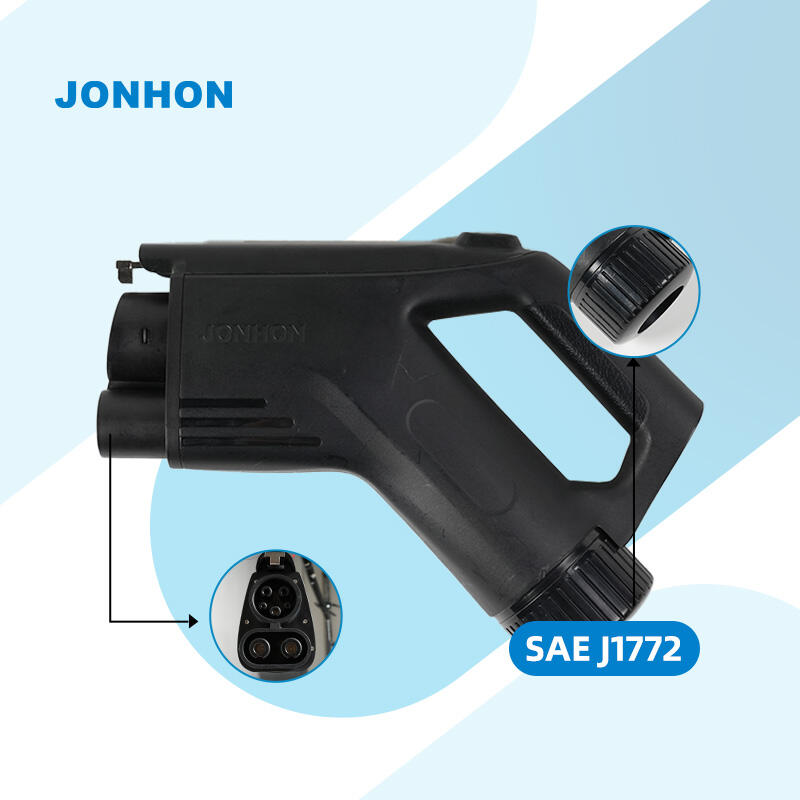
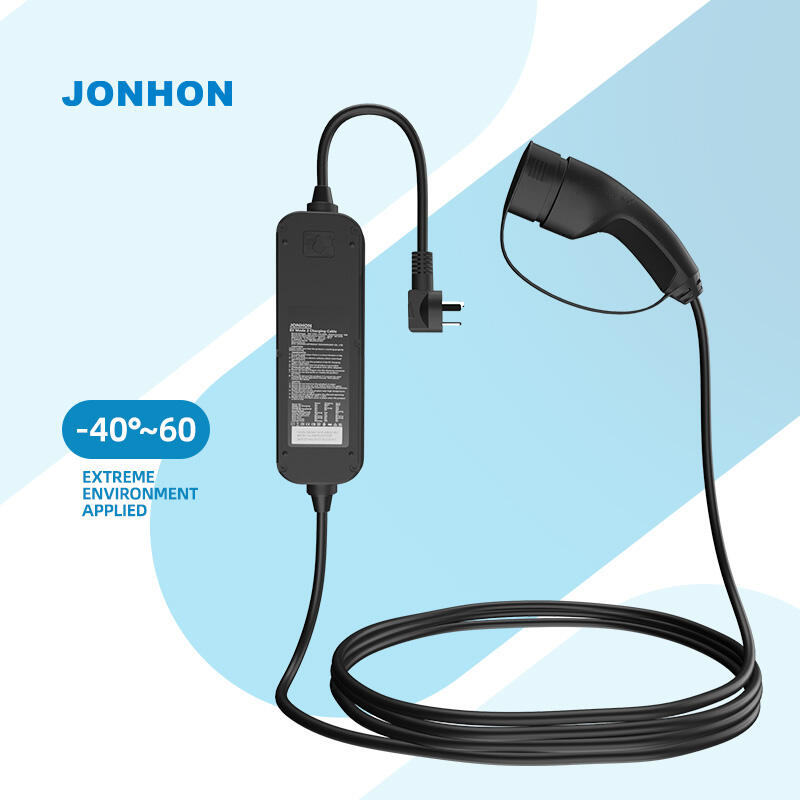
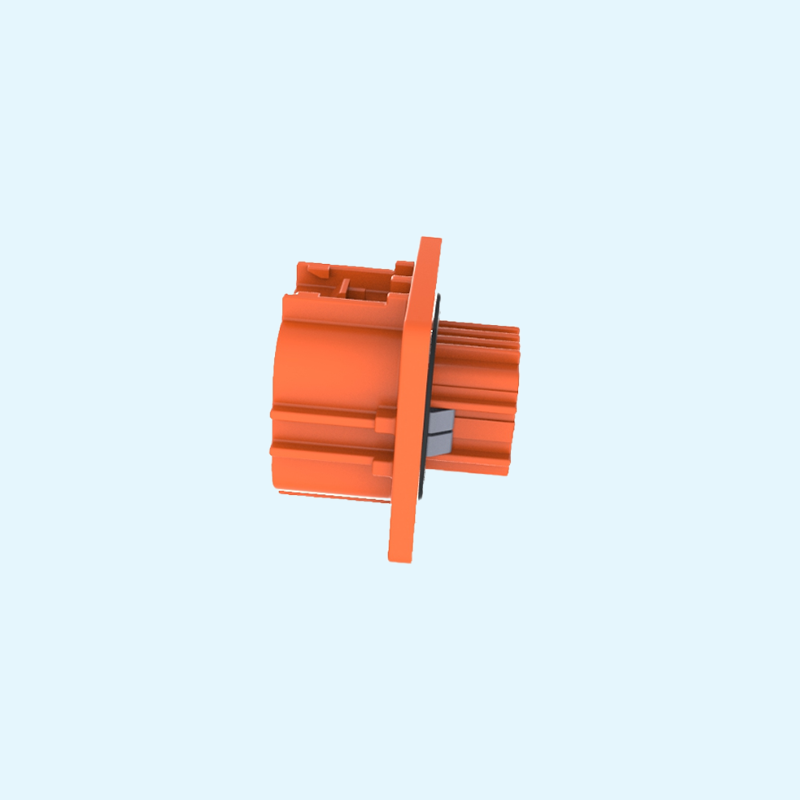
The term "BNC voltage" typically refers to the voltage rating associated with a BNC (Bayonet Neill–Concelman) connector, which is a common type of RF (radio frequency) connector used extensively in test and measurement equipment, video signals, and networking applications. Standard BNC connectors are generally designed for low-voltage applications, typically up to 500 volts, and are not rated for the high voltages (400V-1000V+) or high currents found in electric vehicle (EV) powertrains and charging systems. They are primarily used for signal transmission, not power delivery. In the context of EV engineering, BNC connectors might be found in laboratory or testing environments, connected to oscilloscopes or other diagnostic equipment for analyzing low-voltage control signals or communication protocols, but they are not used within the high-voltage power architecture itself. JONHON's expertise and product portfolio are squarely focused on the high-voltage domain critical to EVs. While we do not manufacture standard BNC connectors for signal applications, our core competency lies in the design and production of high-voltage connectors, charging inlets, and charging guns that are engineered to safely handle the extreme voltages and currents of EV powertrains and fast-charging infrastructure. With over 400 engineers in our electric vehicle business unit and over 300 EV-related patents, our solutions are designed for the specific challenges of high-power transfer, thermal management, and safety (via HVIL) in applications ranging from on-board chargers and battery packs to 350kW DC fast chargers. For any inquiries related to high-voltage interconnection, including the specific voltage and current requirements for your EV project, please contact our engineering team for detailed consultation and custom solutions.

10
Mar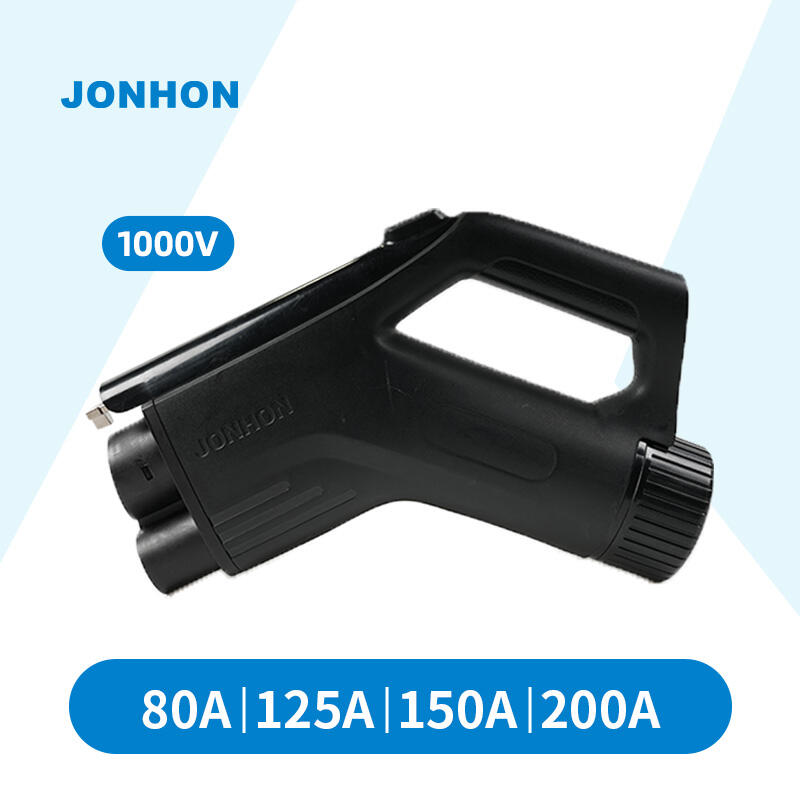
19
Jul
19
Jul
19
Jul