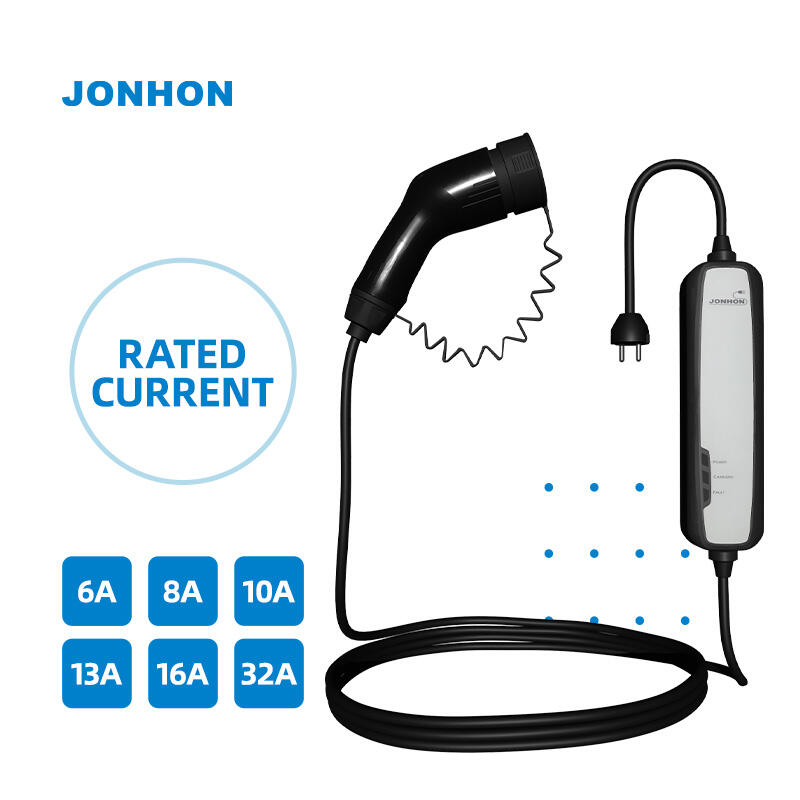

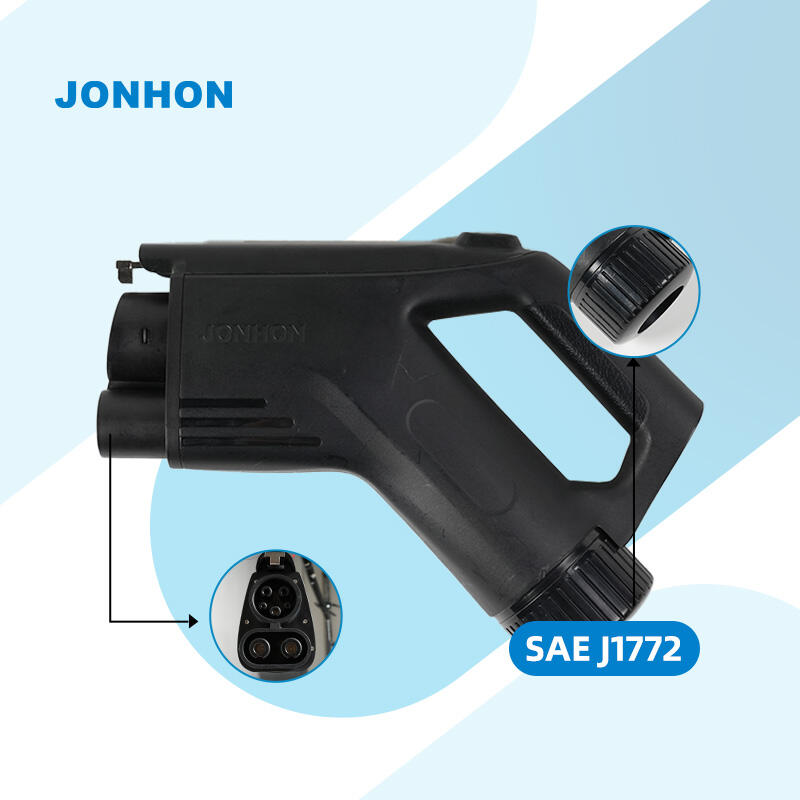

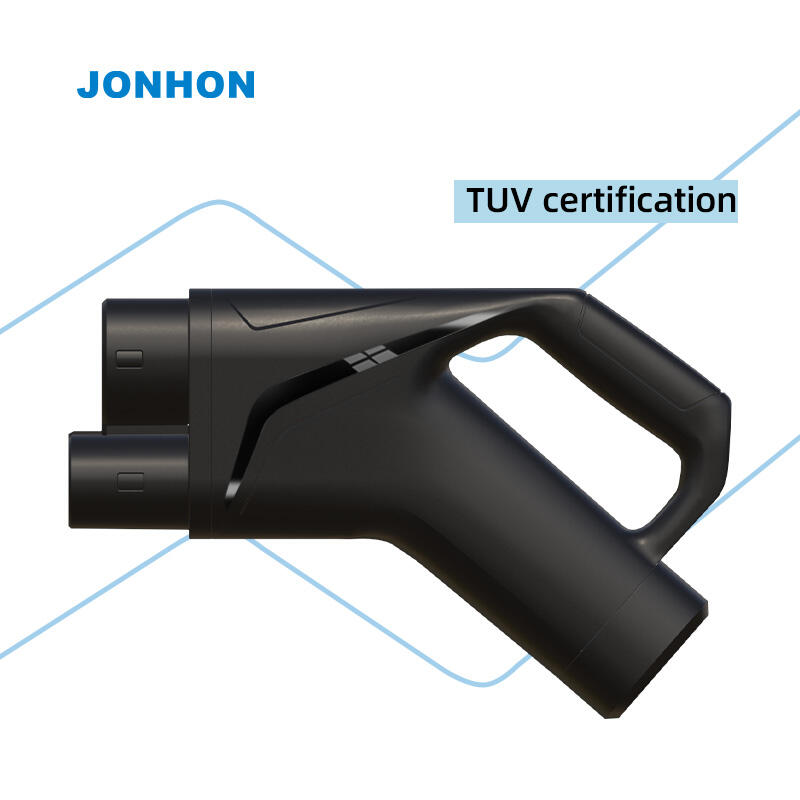
The electric car outlet voltage is a fundamental specification that determines how quickly an electric vehicle can be charged from a given power source, as the power (in kilowatts) delivered is the product of voltage and current. Understanding the different voltage levels is essential for EV owners to choose the right charging equipment and for installers to set up compliant and efficient charging infrastructure. The most basic level is Level 1 charging, which utilizes a standard household outlet. In North America, this is typically a 120-volt (V) AC outlet, which provides a slow charging rate, adding only about 3-5 miles of range per hour. In Europe and many other regions, standard household outlets are 230V, providing a faster Level 1-equivalent charge, though still relatively slow for a full EV. Level 2 charging is the standard for dedicated home, workplace, and public charging. In North America, this operates from a 208V to 240V AC supply (similar to an electric dryer or oven outlet). This voltage level, combined with higher currents (up to 80 Amps in some cases), can deliver 3 to 19 kilowatts of power, adding 10 to 60 miles of range per hour and fully charging most EVs overnight. In Europe, Level 2 charging often utilizes three-phase AC power at 400V, which can deliver even higher power (up to 22 kW or more with a compatible onboard charger). The fastest charging is DC fast charging, where the conversion from AC to DC happens inside the charging station, not the car. The output voltage of a DC fast charger is not fixed; it varies dynamically to match the battery's voltage as it charges, typically ranging from 200V to over 800V to accommodate different vehicle architectures, including the latest 800V systems. The vehicle's charging inlet and the station's connector must be designed to safely handle these varying and potentially very high voltages. JONHON OPTRONIC TECHNOLOGY CO., LTD. specializes in the high voltage interconnect components that are engineered for this exact purpose, ensuring safe and reliable operation across all standard charging voltages. For specific information on connectors designed for different voltage levels, please contact our engineering team.