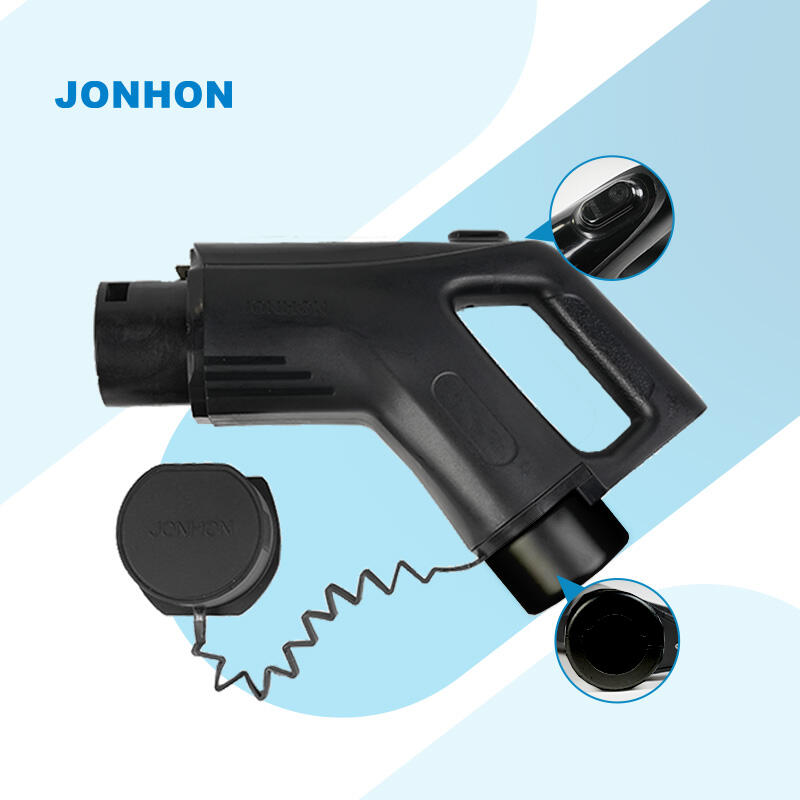
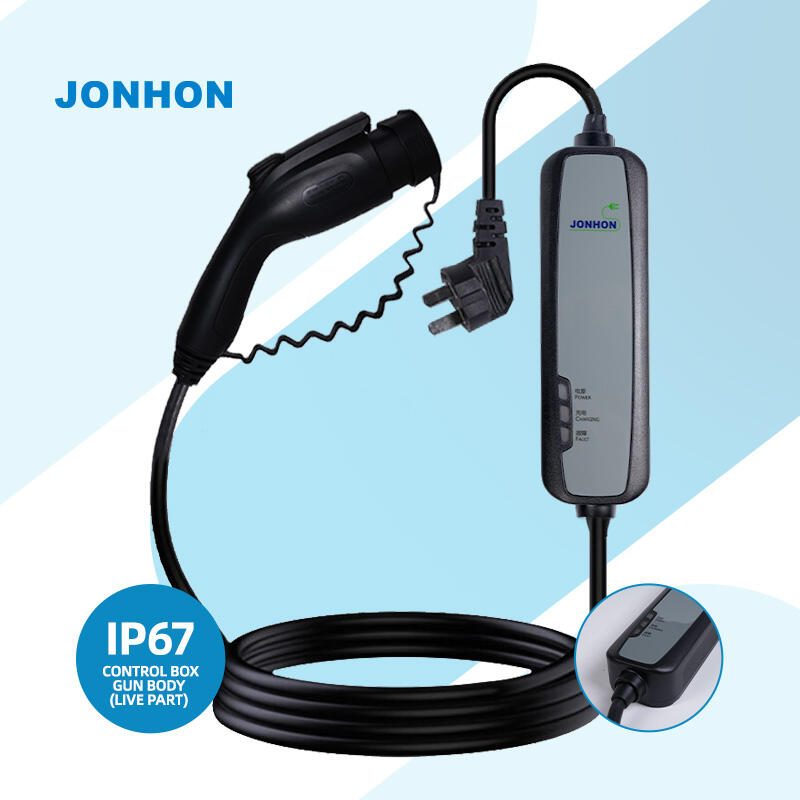
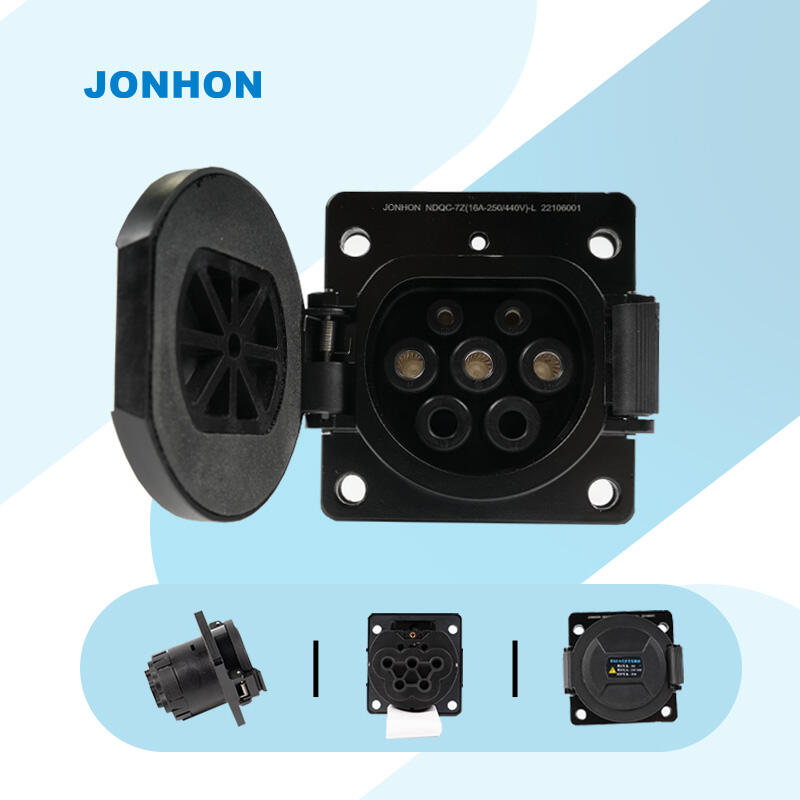
In the context of high voltage interconnection systems, HV terminals refer to the fundamental conductive components within a connector that establish the actual electrical path. These are the precision-machined metal parts—the pin and the socket—that physically and electrically join when a connector is mated. While often unseen within the connector housing, the design and quality of HV terminals are paramount to the performance, reliability, and safety of the entire high voltage system. JONHON engineers these terminals from high-conductivity copper alloys, chosen for their excellent electrical and thermal properties. The material must carry high continuous currents (often hundreds of amperes) with minimal resistive loss, which directly translates to less heat generation. The geometry of the terminal is meticulously designed. The pin is machined to tight tolerances for a precise fit with the socket. The socket itself incorporates a sophisticated contact system, such as stamped louver bands or a hyperboloid cage. These structures provide multiple, redundant points of electrical contact with the pin, ensuring a large and stable contact interface. This low and stable contact resistance is critical, as high resistance leads to power loss and dangerous overheating. The surface of the terminal is plated, typically with silver, to further enhance conductivity and resist oxidation and corrosion over the vehicle's lifetime. This plating must be durable enough to withstand repeated mating cycles without wearing off. Beyond the contact interface, the terminal also includes a cable attachment point, most commonly a crimp barrel. This barrel is designed to be cold-welded to the stripped cable conductor using a specialized crimping tool, creating a gas-tight, highly reliable mechanical and electrical connection. The rear of the terminal also provides features for retention within the connector housing, ensuring it stays securely in place. JONHON's HV terminals are the result of deep materials science and precision engineering, forming the critical, current-carrying heart of every high power connection in an electric vehicle. For inquiries about specific terminal sizes, current ratings, and plating options for your application, please contact our engineering team.
10
Mar
19
Jul
19
Jul