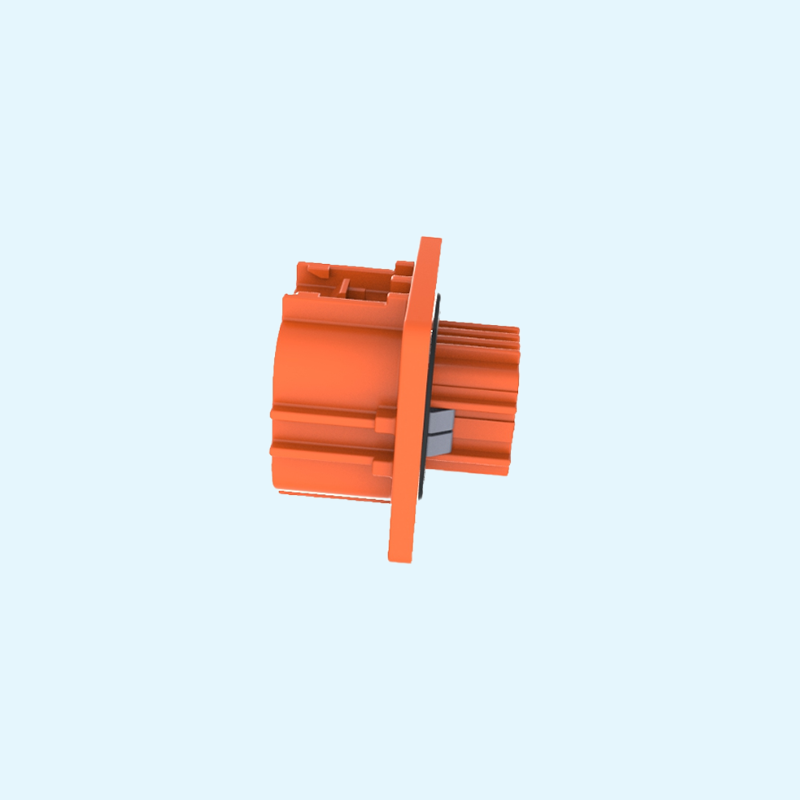
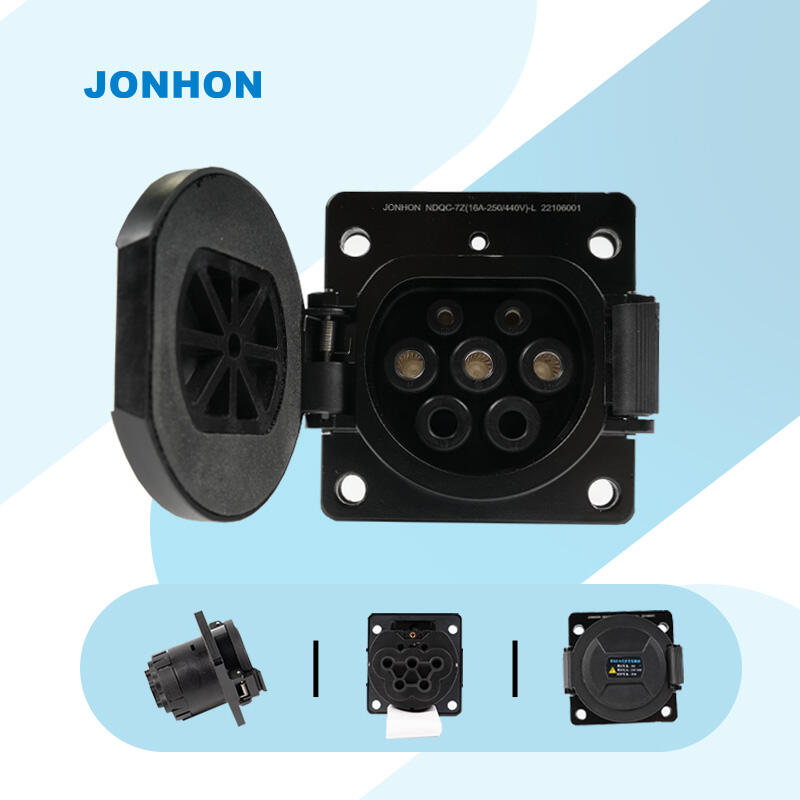
In the demanding environment of an electric vehicle (EV), the HV wire connector serves as the critical interface between high voltage cables and the various electrical components, ensuring both power transmission and system integrity. An HV wire connector is far more complex than a simple joining device; it is an engineered assembly designed to manage high electrical stress, provide environmental sealing, and maintain electromagnetic compatibility. At its core, the connector contains a contact system—typically a machined copper alloy socket and pin, plated with silver or gold to ensure low contact resistance and high conductivity. The design of this contact system is crucial for handling continuous currents and withstanding peak loads without overheating. Surrounding the contacts is an insulating body, usually made from high-performance thermoplastics that offer high dielectric strength and creepage resistance to prevent electrical arcing between terminals. For an 800V architecture, this insulation material and the internal clearances and creepage distances are meticulously engineered. The outer shell of the HV wire connector provides mechanical protection and often incorporates a shielding function. This metal or metallized shell connects to the cable's shield, creating a continuous Faraday cage around the conductors to contain electromagnetic interference (EMI) from the high-power currents, which could otherwise disrupt sensitive vehicle electronics like infotainment or ADAS systems. A key safety feature integrated into almost all modern HV wire connectors is the High Voltage Interlock Loop (HVIL). This low-voltage circuit runs through the connector and is broken if the connector is not fully seated or is tampered with. The vehicle's monitoring system detects this break and can initiate a safety response, such as opening the main contactors to de-energize the high voltage system before a user touches a potentially live part. The mechanical design includes robust locking levers or bolts to secure the connection against severe vibration and a seal, often an interface seal or peripheral gasket, to achieve an IP67 or IP6K9K rating. Whether connecting the battery to the inverter or the inverter to a drive motor, the HV wire connector is a mission-critical component where JONHON's design and manufacturing expertise directly contribute to the safety and reliability of the entire vehicle platform.

10
Mar
10
Mar
10
Mar
19
Jul