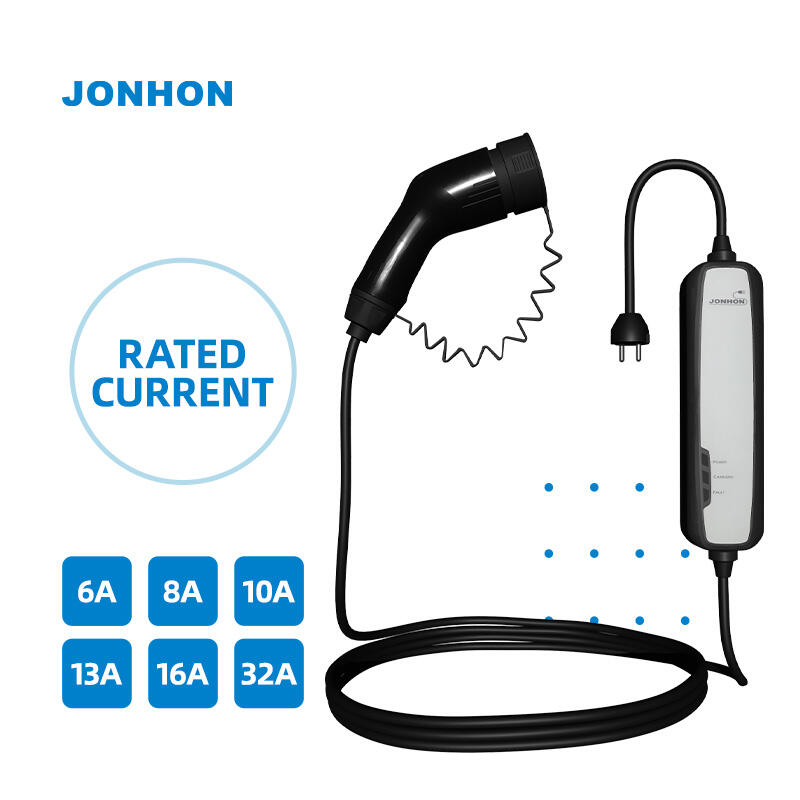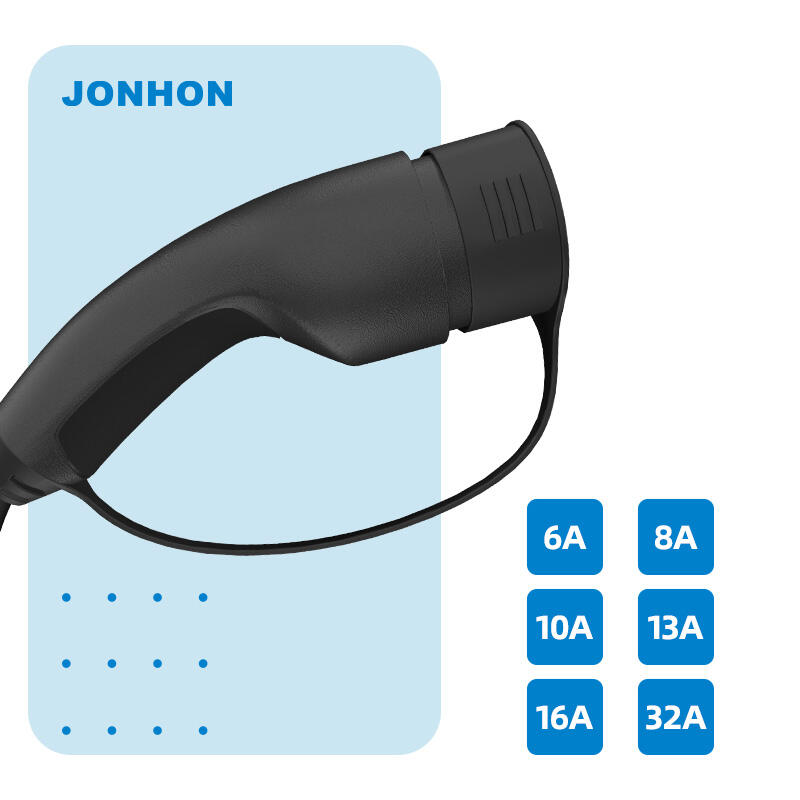
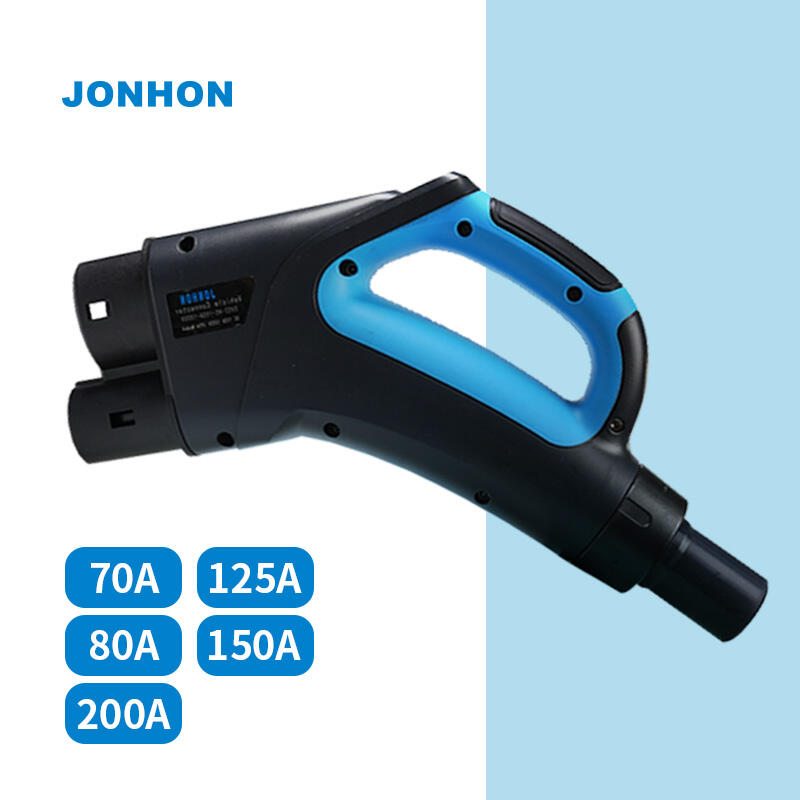

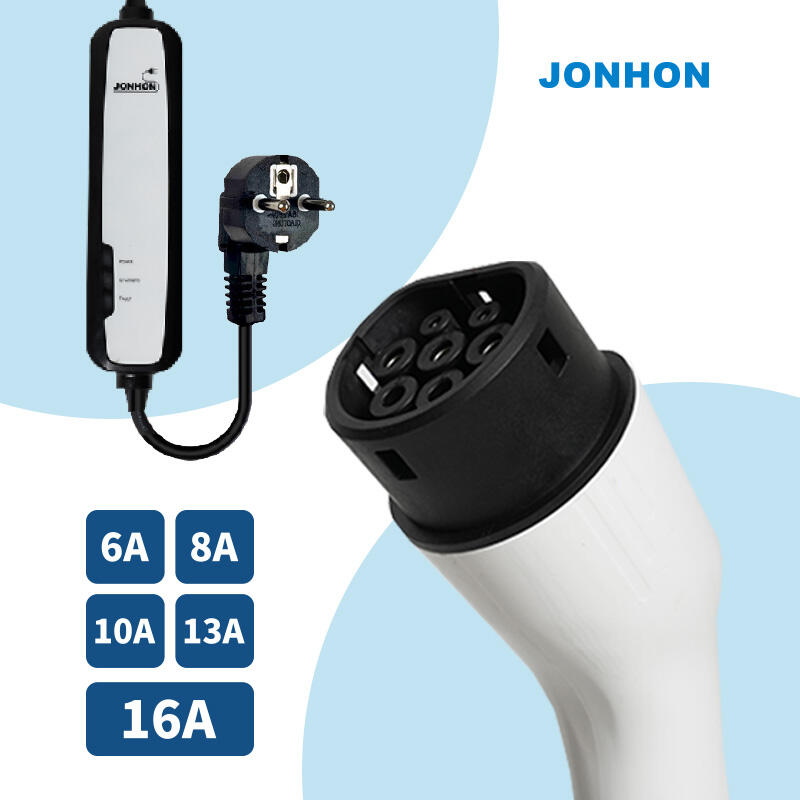
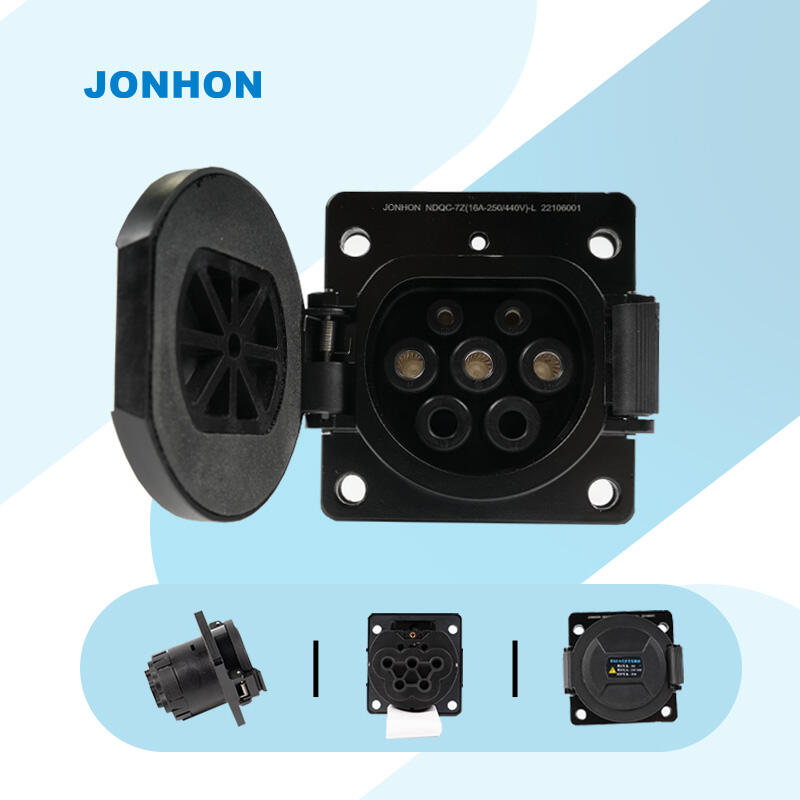

Understanding the most common ev plug is essential for both EV owners and industry professionals, as it dictates charging compatibility and influences the user experience. While the global landscape features several regional standards, the most prevalent plug types are defined by the Society of Automotive Engineers (SAE) in North America and the International Electrotechnical Commission (IEC) in Europe and other regions. In North America, the SAE J1772 connector, often called a Type 1 connector, is the standard for AC Level 1 and Level 2 charging. It features a five-pin design, including lines for AC power, ground, a control pilot for communication, and a proximity pilot for locking mechanisms. For DC fast charging in North America, the Combined Charging System (CCS1) is dominant, which adds two large DC pins to the base J1772 connector. In Europe and many other parts of the world, the IEC Type 2 connector (Mennekes) is the standard for AC charging, characterized by a seven-pin design that supports both single-phase and three-phase AC power. For DC fast charging in these regions, the CCS2 connector is standard, which adds the DC pins to the Type 2 connector. JONHON OPTRONIC TECHNOLOGY CO., LTD., with its deep involvement in setting international standards (having formulated 7 IEC standards and over 10 Chinese standards), possesses a comprehensive understanding of these varied plug designs and their engineering requirements. The manufacture of these plugs involves precision molding of high-grade thermoplastics, intricate contact engineering for reliable high-current transmission, and robust sealing to meet stringent environmental standards. Whether it's the signal pins for the control pilot or the main power contacts for DC fast charging, each element must be designed for thousands of mating cycles and absolute safety. For automotive OEMs and charging infrastructure providers navigating this complex standards environment, JONHON's expertise in high voltage interconnect technology ensures that the charging inlets and cable assemblies on the vehicle side, as well as the connectors on the charging station side, are designed for perfect interoperability and long-term reliability. For specific guidance on selecting the right connector type for your application, please contact our team for detailed technical consultation.