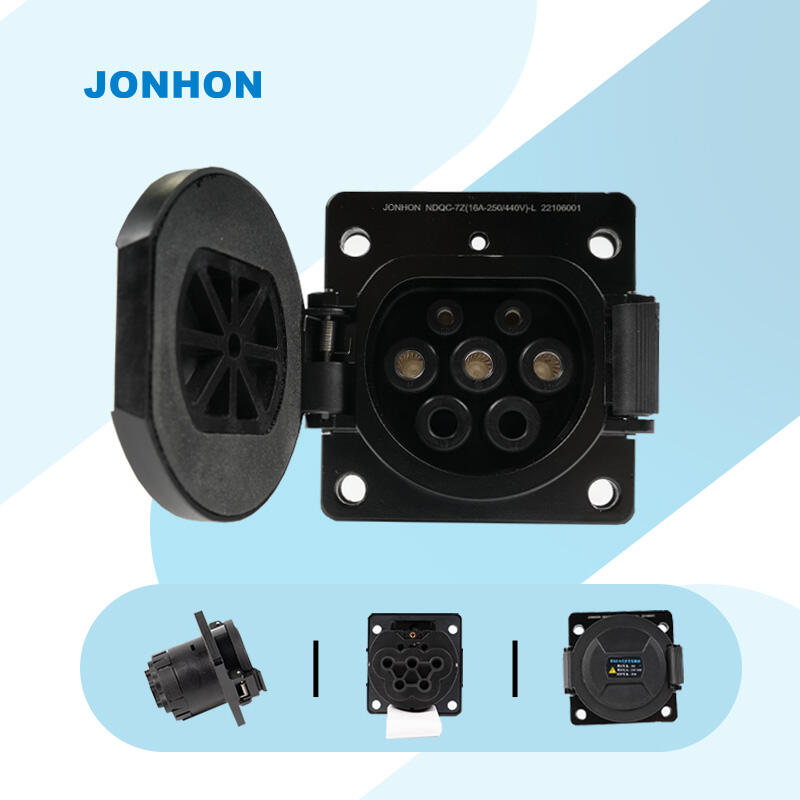
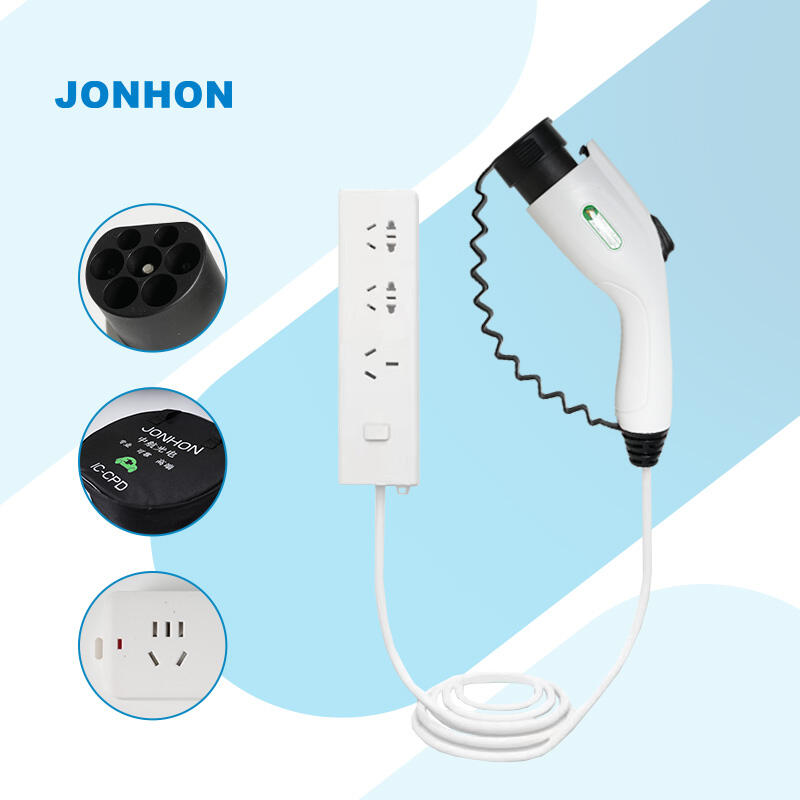
The scenario of owning a plug in hybrid no home charging is a common consideration for many potential EV buyers, particularly those living in apartments, condos, or homes without a dedicated parking space or garage. For these individuals, the decision to purchase a Plug-in Hybrid Electric Vehicle (PHEV) involves a different set of calculations and trade-offs compared to someone with a private off-street parking spot. A PHEV, with its smaller battery (typically 10-20 kWh), is designed to be charged conveniently overnight at home to maximize electric-only driving for daily commutes. Without home charging, the owner must rely entirely on public and workplace charging infrastructure to realize the benefits of the electric motor. This reliance introduces several practical considerations. The first is accessibility. The owner needs to have convenient access to public Level 2 charging stations, perhaps near their workplace, at a nearby grocery store, or in a public parking garage they use regularly. The availability and reliability of these stations become critical. The second is cost. Public charging stations often have a higher per-kWh rate than residential electricity, and some may charge connection or idle fees. This can reduce or even eliminate the cost savings of using electricity versus gasoline. The third is convenience. The owner must build charging time into their weekly routine, potentially spending an hour or two at a public charger while shopping or working, rather than the simple act of plugging in at home. For some, the trade-off is still worthwhile. They can drive on electricity for a significant portion of their local trips if they can reliably charge at work or during errands, and they still have the gasoline engine for longer trips, eliminating any range anxiety. The reliability of the public charging hardware they depend on is therefore paramount. JONHON OPTRONIC TECHNOLOGY CO., LTD. provides the durable, high-performance interconnect components that ensure public charging stations remain operational and safe for drivers in all situations. For those developing or managing charging infrastructure to serve this growing segment of "no home charging" drivers, the quality of the hardware is a direct investment in user satisfaction. To discuss solutions for public charging networks, please contact our team.

10
Mar
19
Jul
26
Jun
26
Jun