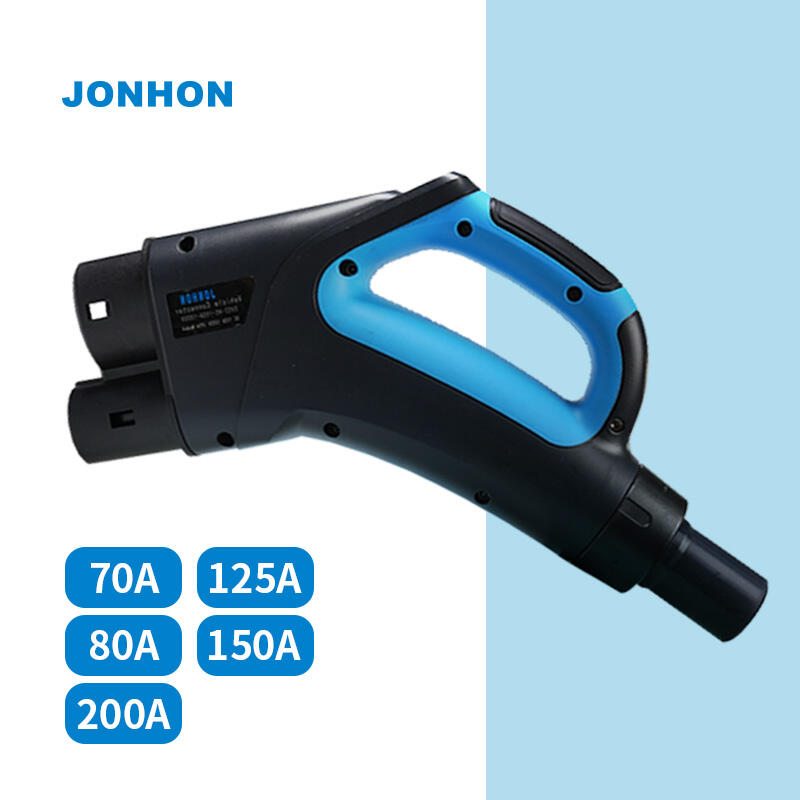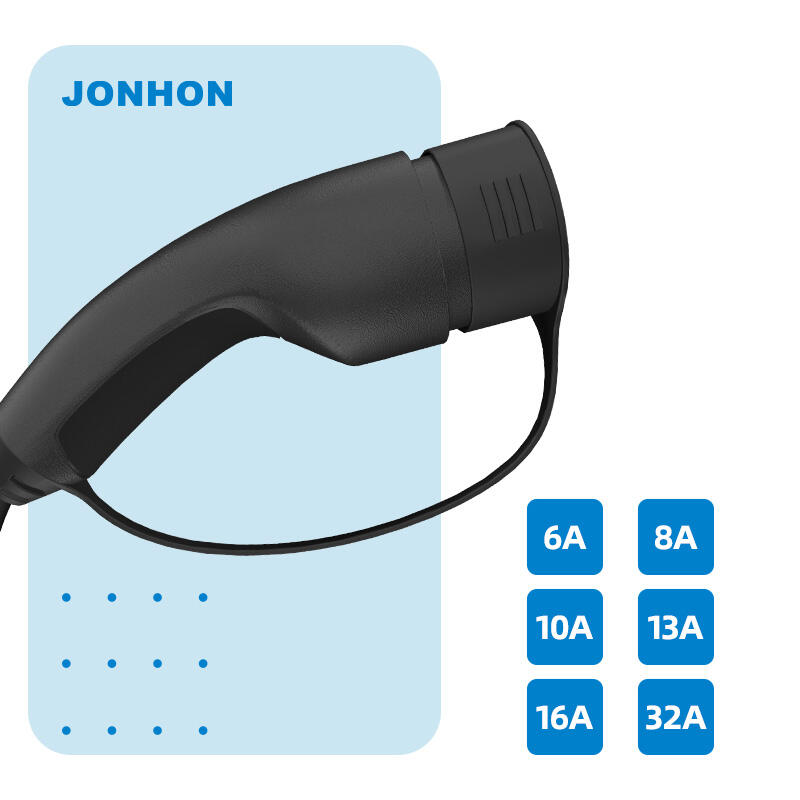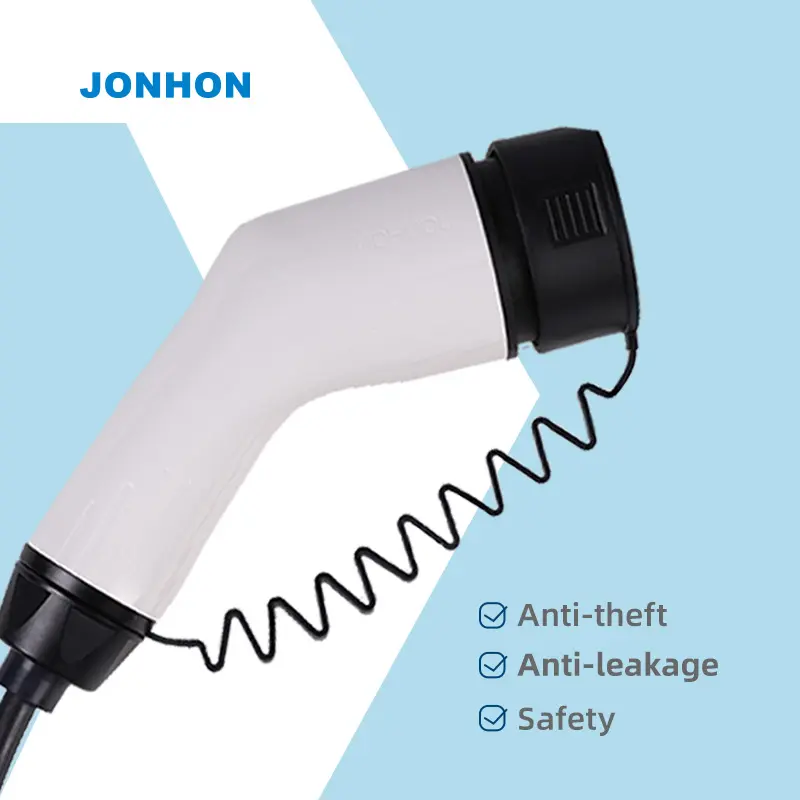
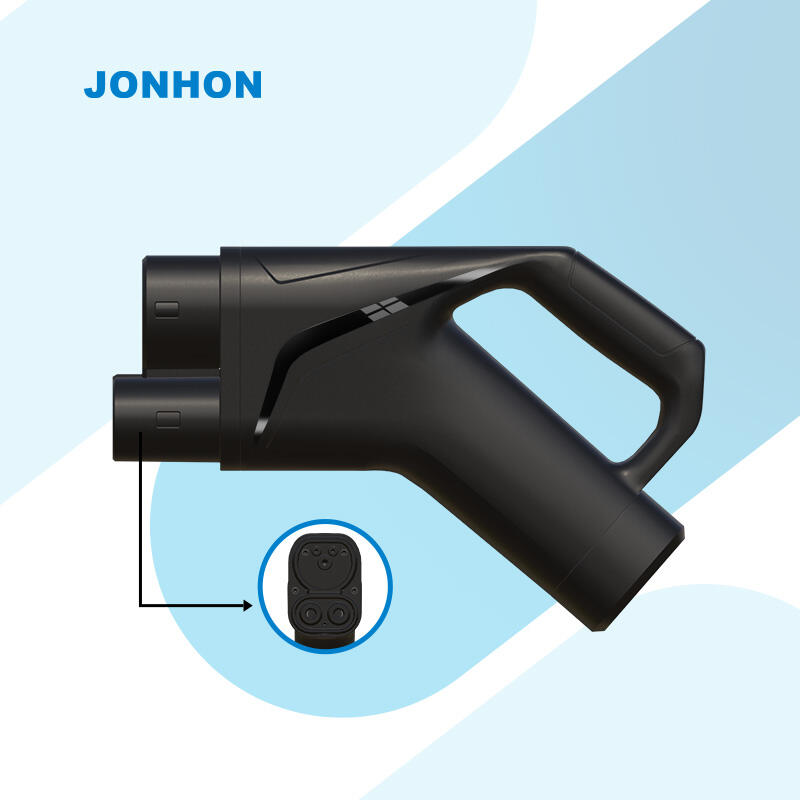
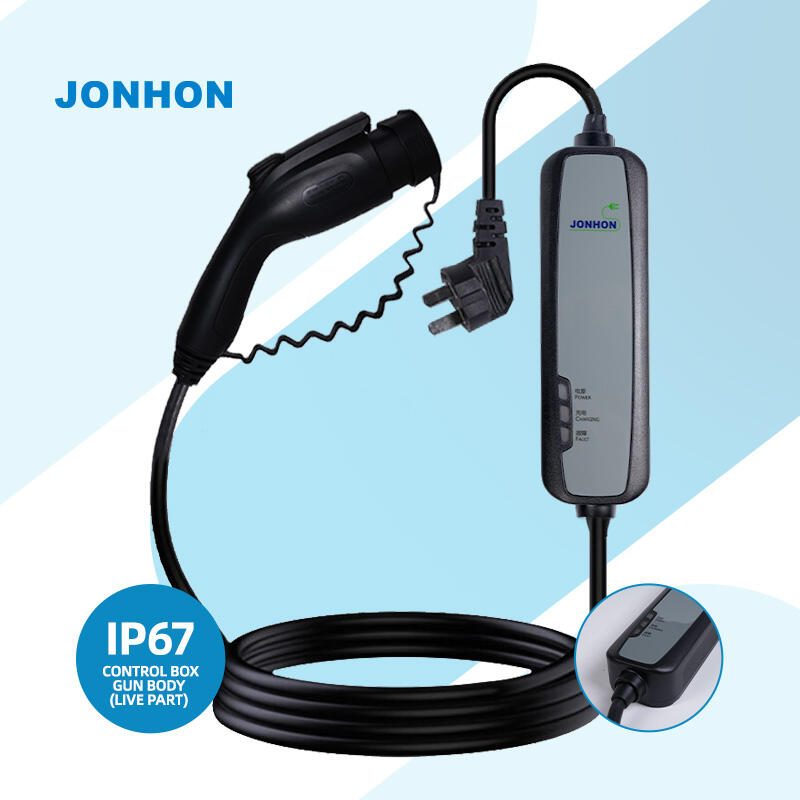
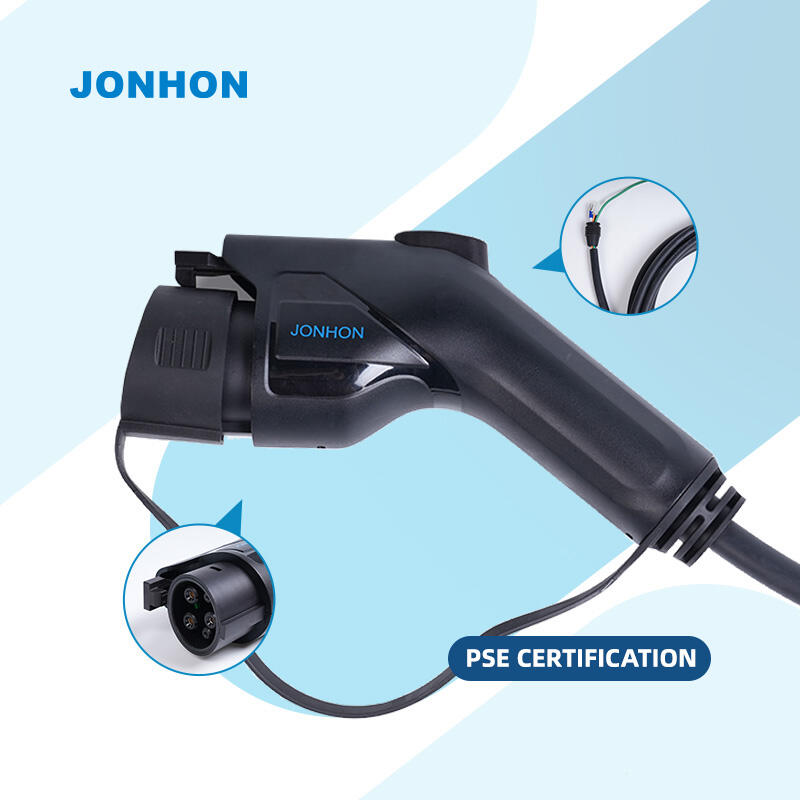
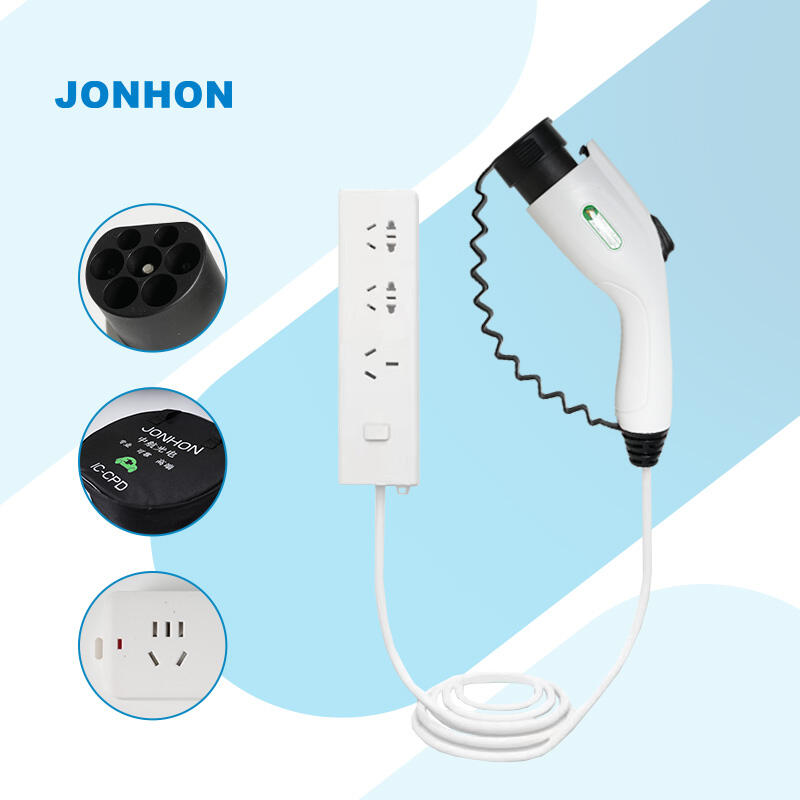
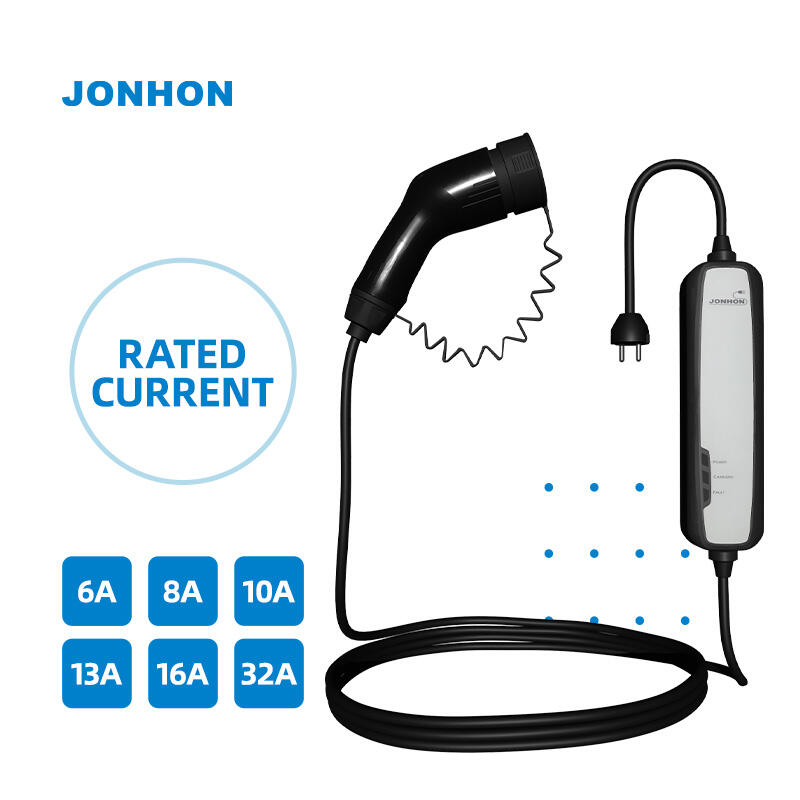
Charging a plug in hybrid is a simple, routine process that is central to realizing the fuel-saving and environmental benefits of a Plug-in Hybrid Electric Vehicle (PHEV). The process is fundamentally similar to charging a pure battery electric vehicle (BEV), but with the key distinction that a PHEV's smaller battery pack means charging times are typically shorter, and the vehicle also has an internal combustion engine as a backup. The process begins by connecting the vehicle to an external power source. This can be done using a standard household outlet, which is often referred to as Level 1 charging. This involves plugging the portable EVSE (Electric Vehicle Supply Equipment) cord that comes with the vehicle into a standard wall outlet and connecting the other end to the vehicle's charging inlet. This method is slow, typically adding only 2-5 miles of range per hour, but it can fully charge a PHEV's smaller battery (typically 5-20 kWh) overnight. A much faster and more common method for PHEV owners with access to a dedicated parking spot is Level 2 charging. This requires a professionally installed 240V charging unit (in North America) or a 230V three-phase unit (in Europe). A Level 2 charger can fully charge a typical PHEV battery in 2-4 hours. The process of plugging in is the same regardless of power level. The driver opens the charging port door, inserts the charging connector (typically a J1772 in North America or a Type 2 in Europe), and ensures it clicks into place with a secure latch. At this point, the vehicle and the charging station communicate via the control pilot circuit. Once the connection is verified and safe, the charging station begins to deliver power. The vehicle's onboard charger converts the AC power from the grid to DC power to charge the battery. The charging process is automatically managed by the vehicle's battery management system, which monitors the battery's state of charge and temperature to optimize charging speed and ensure safety. The driver can typically monitor the progress via the vehicle's dashboard display or a mobile app. The reliability of this entire process depends on the quality of the interconnect hardware. JONHON OPTRONIC TECHNOLOGY CO., LTD. manufactures the durable, high-performance charging inlets and connectors that make charging a plug in hybrid a safe and reliable experience every time. For more information on our solutions, please contact us.