
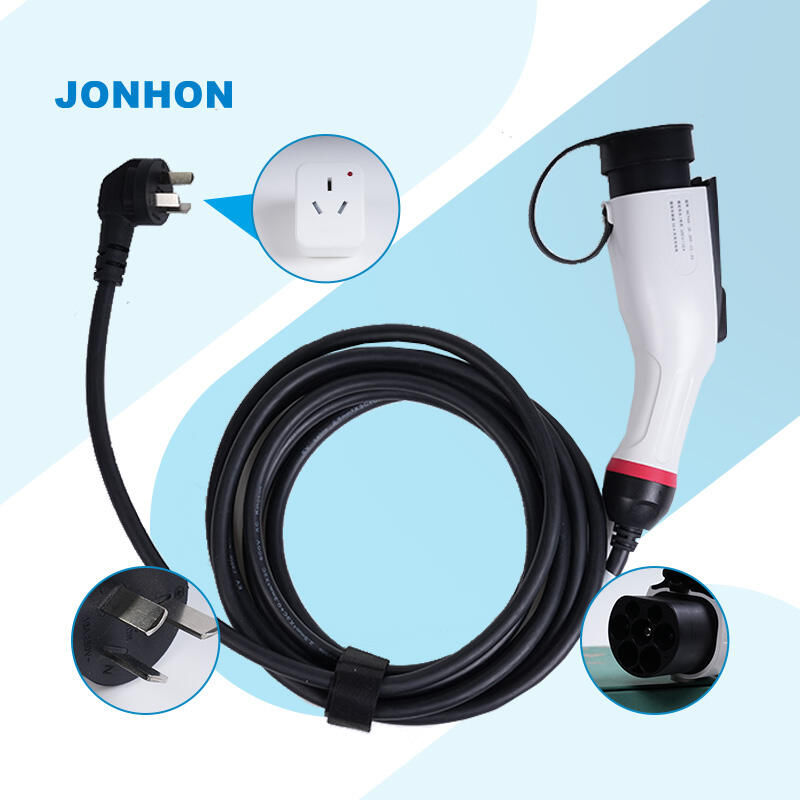
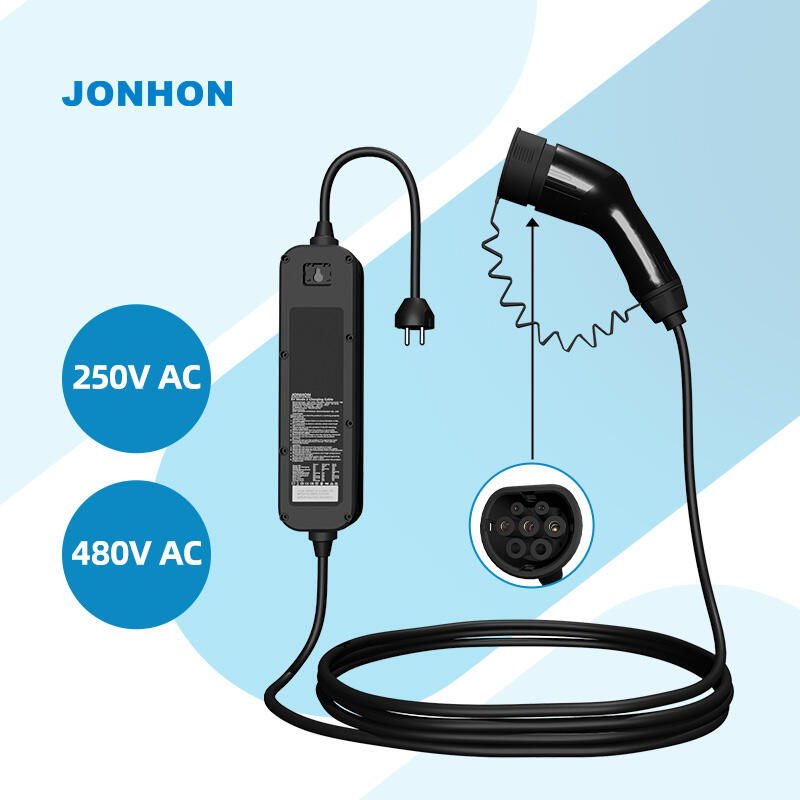
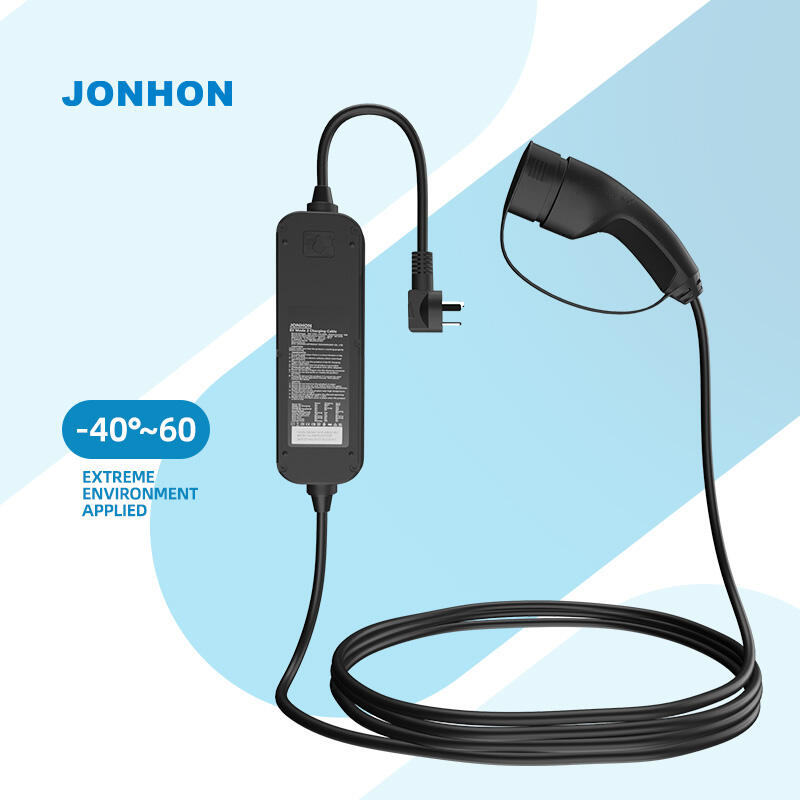
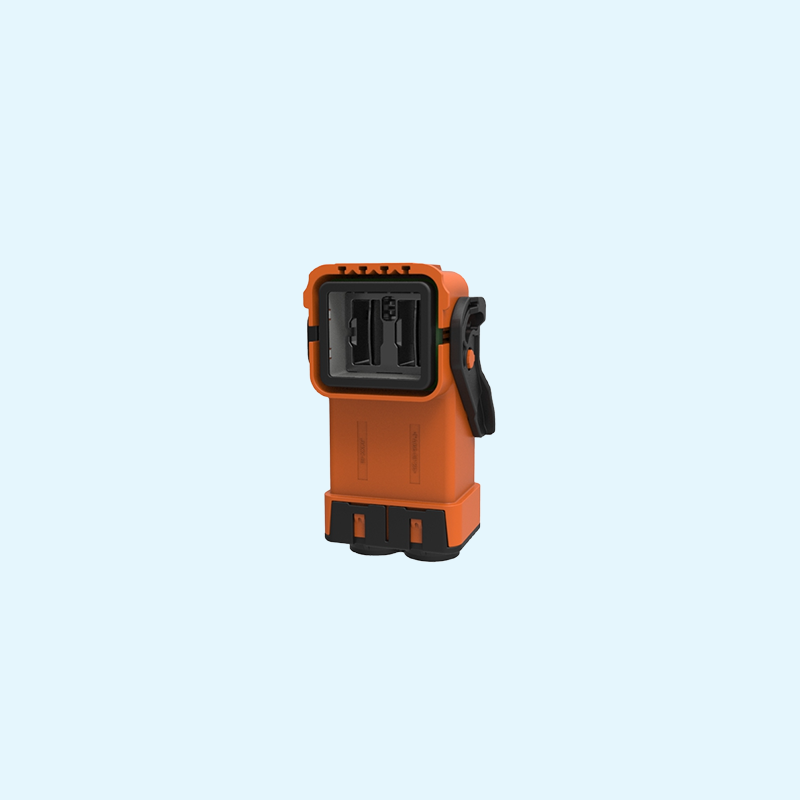
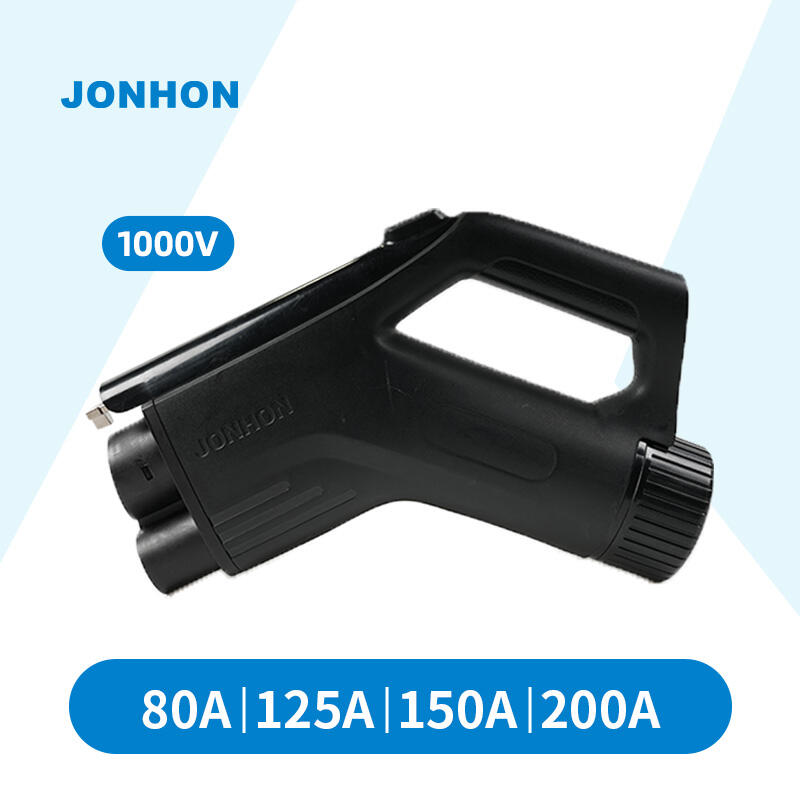
EV Charging Connectors: CCS2, Type2 & GB/T Solutions

All Categories

Get a Free Quote

Our representative will contact you soon.
Email
Mobile/Whatsapp
Name
Company Name
Message
0/1000

Lowering the Cost to Plug In Electric Car Through Efficient Connection

At JONHON, we believe that the cost to plug in electric car is not just about electricity rates, but also about the efficiency of the connection itself. Our advanced EV connectors are engineered to provide superior conductivity and minimal power loss. This means that more of the energy you pay for actually goes into charging your battery. By using our high-quality components in electric plug stations and home chargers, we help ensure that your phev charging cost or full EV charging expense is as low as possible, making electric mobility more affordable for everyone.
Get A Quote

Why choose us?

Precision Engineering from an Industry-Leading R&D Team

The electric vehicle charging plug you choose is designed by a team of over 3600 engineers, with 400 specialists dedicated to the EV sector. This depth of expertise ensures every plug is optimized for ergonomics, thermal management, and signal integrity, providing a superior user experience and reliable connection every time.

Guaranteed Interoperability and Standards Compliance

Avoid compatibility issues. Our plugs are designed by the same team that has formulated 7 IEC and over 10 Chinese national standards. This unparalleled insight ensures our charging plugs meet all required specifications for global markets, providing seamless compatibility with various charging infrastructures and vehicle inlets.

Proven Durability with Over 300 EV-Specific Patents

Our charging plugs incorporate technologies protected by over 300 EV-related patents. These innovations focus on critical aspects like contact reliability, locking mechanisms, and cable strain relief, resulting in a plug that is engineered for thousands of safe, reliable connection cycles in all weather conditions.

Related products

The cost to plug in electric car is a primary consideration for current and prospective EV owners, directly influencing the total cost of ownership and the economic rationale for choosing an electric vehicle over a conventional gasoline car. This cost is not a single fixed figure but is highly variable and depends on a combination of factors, making it important for owners to understand the variables. The most significant factor is the source and rate of electricity. Charging at home, using a standard wall outlet (Level 1) or a dedicated home charger (Level 2), is almost always the cheapest option. The cost is simply the additional electricity consumption multiplied by the residential electricity rate, which in many regions is $0.10 to $0.25 per kWh. For an EV with a 75 kWh battery, a full charge from near-empty would theoretically cost between $7.50 and $18.75. However, charging efficiency (typically 85-90%) must be factored in, slightly increasing the actual cost. Charging at public Level 2 stations often involves a higher per-kWh rate, a fee based on charging time, or a flat connection fee, as network operators need to recoup equipment and maintenance costs. DC fast charging, while offering the greatest convenience for long-distance travel, is the most expensive public charging option, with rates that can be significantly higher than residential rates, sometimes $0.30 to $0.60 per kWh or more, especially for the fastest chargers. Some networks also offer subscription models that lower the per-kWh rate for a monthly fee. Time-of-use (TOU) electricity plans, offered by many utilities, can significantly lower the cost for those who charge overnight during off-peak hours. Ultimately, for many owners, the cumulative cost of electricity for an EV remains substantially lower than the cost of gasoline for an equivalent internal combustion engine vehicle, even when using public charging. The hardware that facilitates this charging, from the vehicle's inlet to the charging station's connector, must be designed for safe and efficient energy transfer. JONHON OPTRONIC TECHNOLOGY CO., LTD. provides high-performance interconnect solutions that minimize energy loss and ensure long-term reliability. For specific pricing on JONHON's charging components for your vehicle or station project, we encourage you to contact our sales team for a detailed quote.

Frequently Asked Questions

Do you have a presence in Europe for support?

Yes, we have a strong European footprint for local support. This includes a subsidiary in Germany, as well as local hubs in Germany and Estonia, ensuring we can serve our European customers effectively.
Absolutely. We have a dedicated tech center in America specifically to provide technical support, collaboration, and service to our customers throughout the North and South American markets.
JONHON Optronic Technology Co., Ltd. is a professional manufacturer specializing in providing professional, reliable, and high-end EV high voltage interconnect solutions, including EV connectors, harnesses, and chargers.
We have a large and experienced team of over 3600 engineers globally. This extensive engineering workforce underpins our capability to develop complex and reliable interconnect solutions for the electric vehicle industry.

Related Articles

Plug Type Connector: The Most Common Connector in EV Charging Systems

19

Jul

Plug Type Connector: The Most Common Connector in EV Charging Systems

Explore the key plug type connectors in EV charging systems, including CCS, Type 1 and Type 2 connectors, and Tesla's NACS. Learn about standardization efforts and future trends in plug technology, such as Wireless Power Transfer and ultra-fast charging solutions.
View More
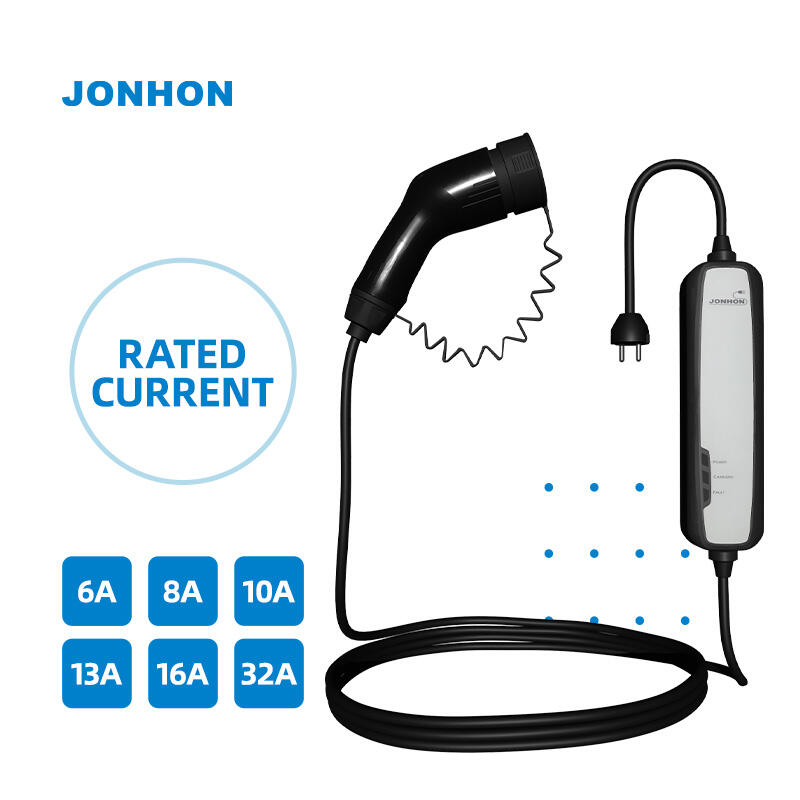
High Voltage EV Connector: The Impact of Temperature on Its Performance

19

Jul

High Voltage EV Connector: The Impact of Temperature on Its Performance

Explore how temperature impacts EV connector performance, focusing on thermal expansion, material degradation, and electrical efficiency. Discover cooling techniques, safety risks, regulatory standards, and innovations in heat-resistant connectors for improved EV charging solutions.
View More
European Standard Charging Gun: Compatible and Easy to Use

26

Jun

European Standard Charging Gun: Compatible and Easy to Use

Understanding the European Standard Charging GunThe European standard charging gun plays a vital role in ensuring uniformity and compatibility in electric vehicle (EV) charging across the continent. This standard is achieved through the adoption of T...
View More
Usage Scenarios of Discharging Guns: Practical and Versatile

26

Jun

Usage Scenarios of Discharging Guns: Practical and Versatile

Understanding EV Discharging Guns What Are EV Discharging Guns? EV charging gun is an equipment essential to electric vehicle charging systems for electric vehicles (EV) to achieve electricity exchange with the outside world. They also add valu...
View More

Customer Reviews

Karl Weber

We supply vehicles to markets worldwide, so plug compatibility is paramount. JONHON's engineers helped create the IEC standards, so their plugs are guaranteed to fit correctly and communicate with all vehicle inlets compliant with those same standards.

Elena Petrova

For a critical safety component like the charging plug, we only partner with innovators. JONHON's 5100+ patents, with 300+ in EV, prove they are at the forefront of the technology, giving us confidence in the plug's long-term reliability.

Get a Free Quote

Our representative will contact you soon.
Email
Name
Company Name
Message
0/1000
Precision-Engineered for Superior User Experience

Precision-Engineered for Superior User Experience

JONHON's electric vehicle charging plug is designed by a team of over 3600 engineers, including 400 EV specialists, focusing on every aspect of the user interaction. The result is a plug with optimized ergonomics for easy handling, a robust and satisfying locking mechanism for secure connection, and high-quality materials that ensure a premium feel and long-lasting durability for daily use.