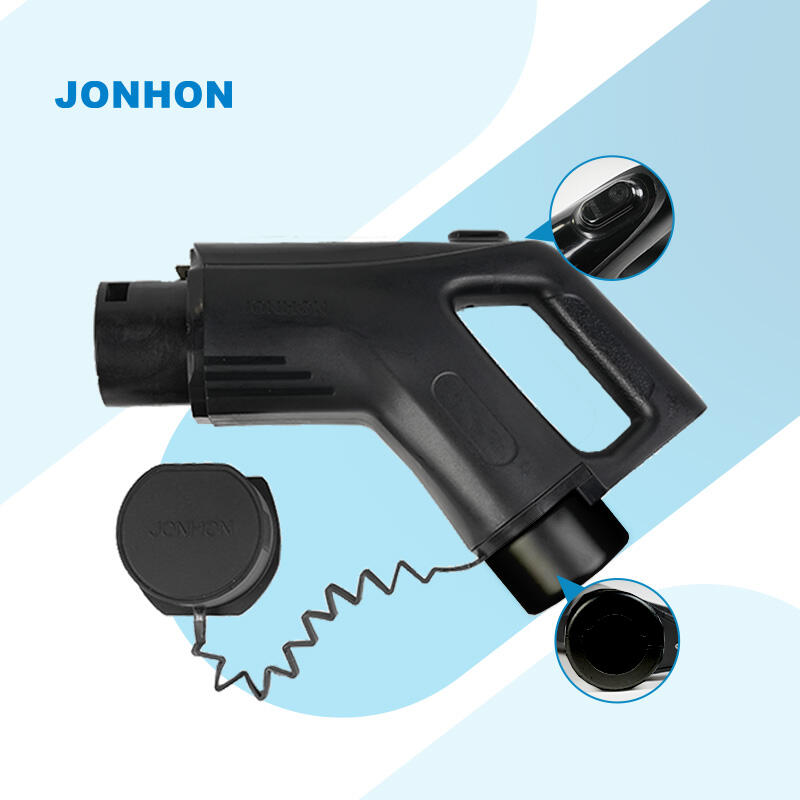
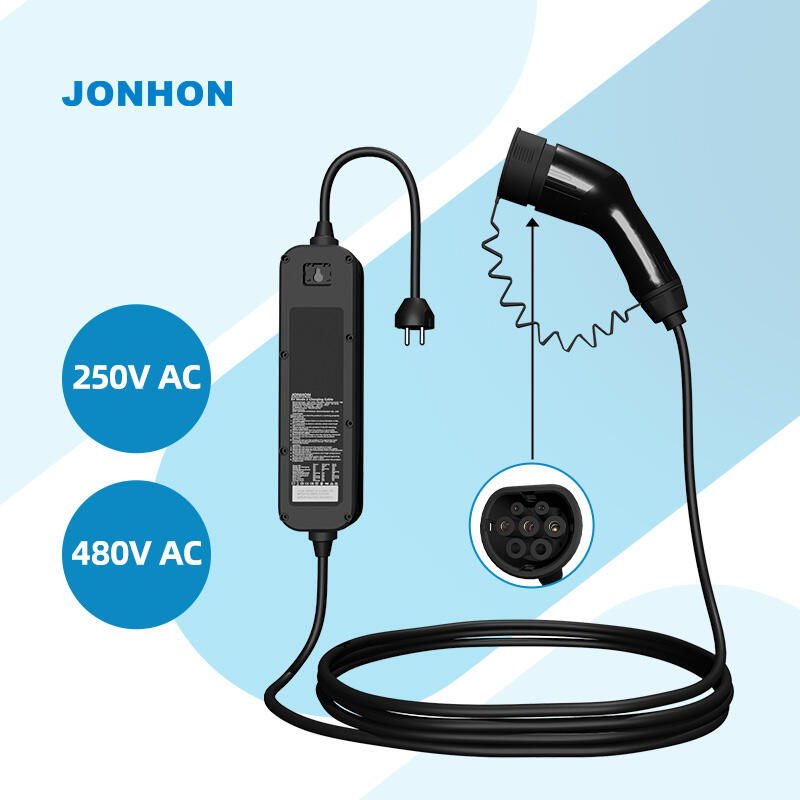
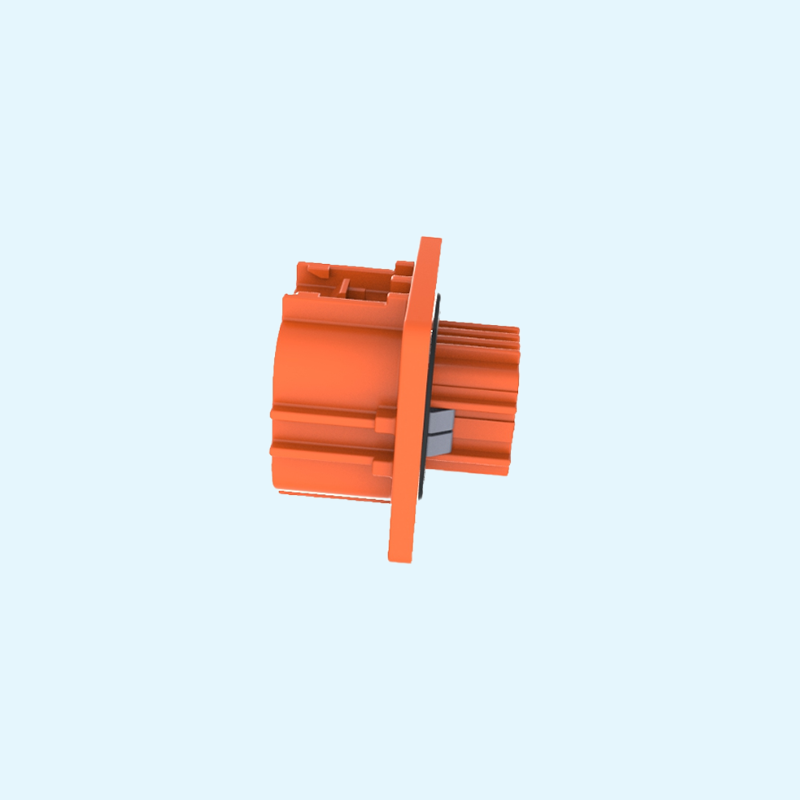
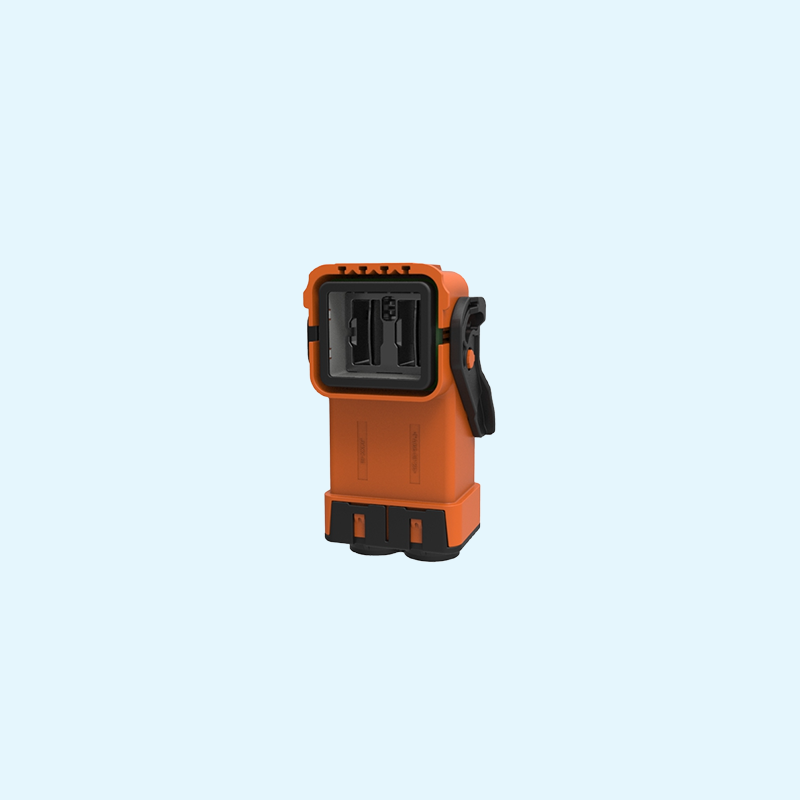
The term ev plugin charge refers to the fundamental process of transferring electrical energy from an external power source to an electric vehicle's battery pack via a physical cable and connector. This action is the cornerstone of electric vehicle operation, distinguishing EVs from conventional vehicles and enabling them to run on electricity. The process, while simple in concept, involves a carefully orchestrated sequence of events designed for safety, efficiency, and user convenience. It begins with the physical connection: the driver takes the charging connector—which may be attached to a home charging unit, a public station, or a portable cord set—and inserts it into the vehicle's charging inlet. The connector and inlet are designed with a specific form factor based on regional standards (e.g., J1772, Type 2, CCS) to ensure compatibility and prevent mismating. As the connector is fully inserted, a mechanical latch engages, providing a secure hold and often giving a tactile click. This latch is a primary safety feature, preventing accidental disconnection. Once connected, the vehicle and the charging station begin to communicate through low-voltage control pilot and proximity pilot circuits within the cable. This communication confirms that the connector is properly seated and that the system is ready. The charging station tells the vehicle its maximum current capability, and the vehicle's onboard computer (the battery management system) determines the appropriate charging rate. A critical safety system, the high voltage interlock loop (HVIL), also runs through the connector. This low-voltage circuit must be complete for the high voltage system to be energized, ensuring that the power contacts are never live unless the connector is fully locked in place. After all safety checks are passed, the charging station's internal contactors close, and electrical power flows to the vehicle. The entire ev plugin charge process, from plug-in to power-on, is designed to be seamless and automatic, requiring no technical knowledge from the driver. The reliability of this daily ritual depends on the precision engineering of the interconnect hardware. JONHON OPTRONIC TECHNOLOGY CO., LTD. specializes in manufacturing these critical components—the vehicle inlets and charging connectors—to the highest standards of durability and safety. For more information on our solutions, please contact our team.

10
Mar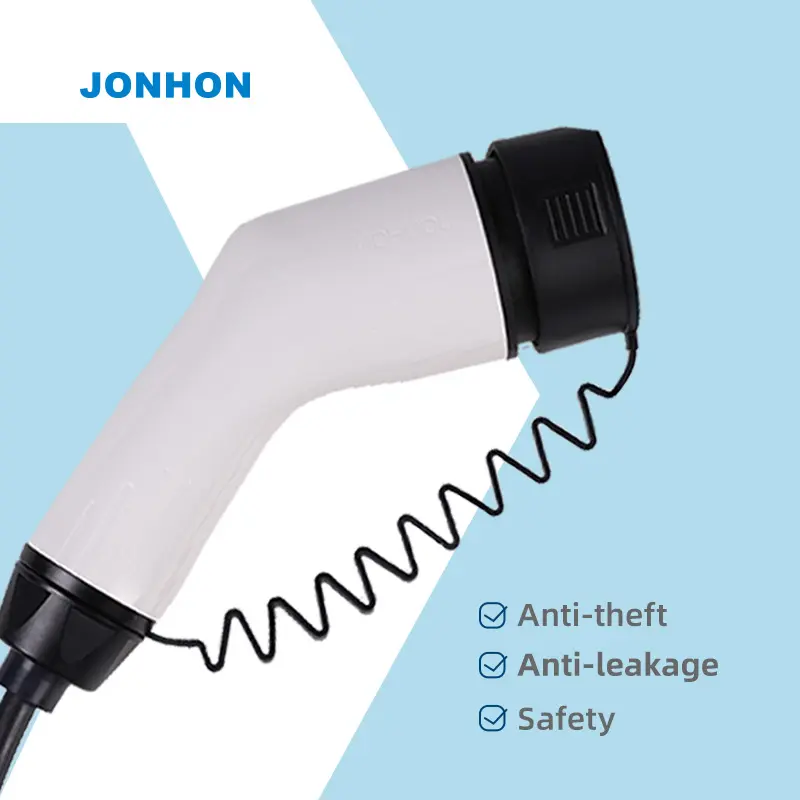
26
Jun
14
Oct