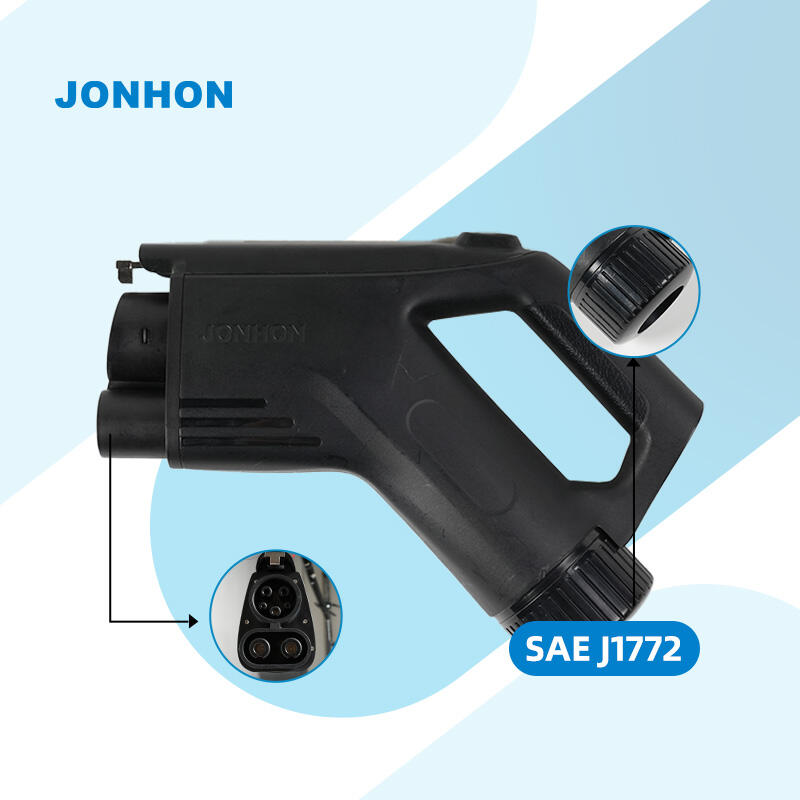
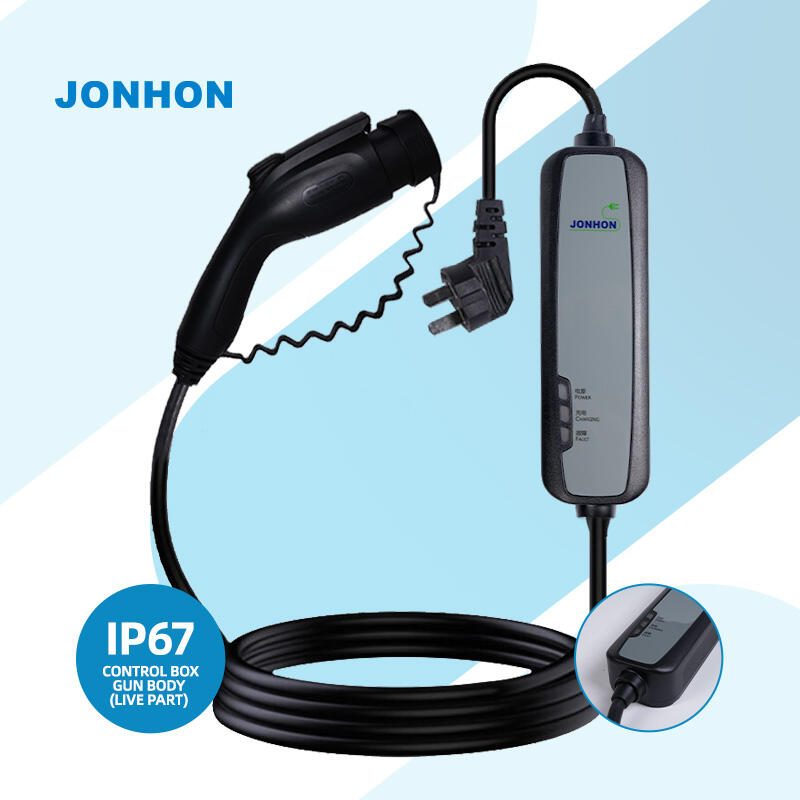
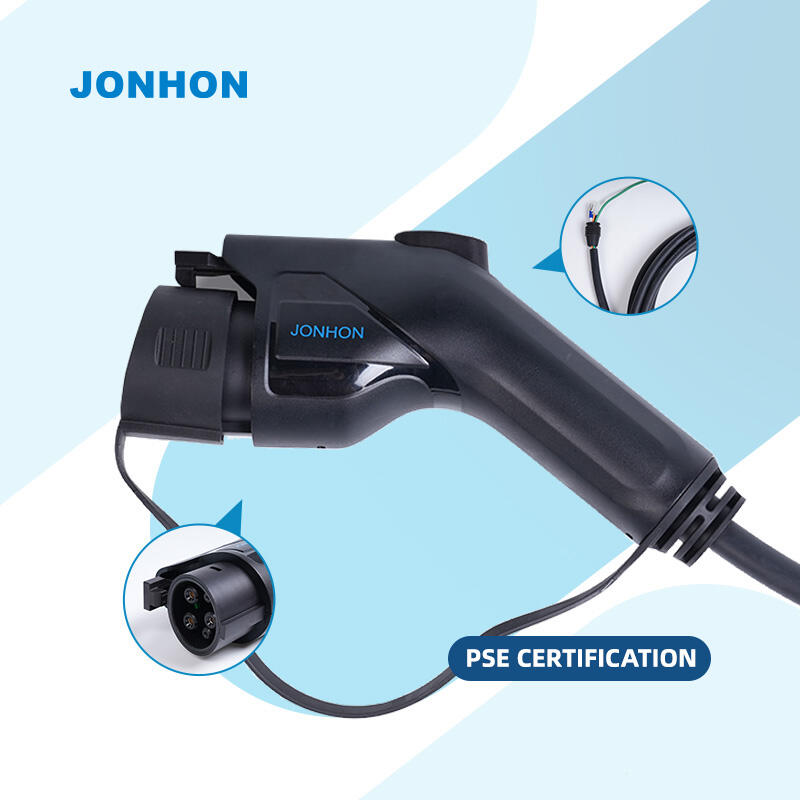
The types of car charging ports, technically referred to as vehicle inlets, are the physical interfaces mounted on an electric vehicle that accept the charging connector from an external power source. These ports are not universal; their design is determined by the vehicle's regional market, its charging capabilities (AC only or AC and DC fast charging), and the applicable standards. Understanding these port types is essential for EV owners to know which charging stations they can use. For Alternating Current (AC) charging, which covers Level 1 and Level 2 home and public charging, there are two dominant port types globally. In North America and Japan, the standard AC port is the SAE J1772 inlet, often called a Type 1 port. It features a five-pin configuration and is used solely for AC charging. In Europe and many other regions, the standard AC port is the IEC Type 2 inlet (Mennekes), which has a seven-pin design capable of supporting both single-phase and three-phase AC power. For vehicles capable of Direct Current (DC) fast charging, the port design becomes more complex. The most widely adopted system is the Combined Charging System (CCS). A CCS port integrates the DC fast charging pins into the same physical coupler as the AC inlet. This results in a CCS1 port in North America, which combines the J1772 AC section with two large DC pins below it. In Europe, the CCS2 port combines the Type 2 AC section with two DC pins below. This single port can accept both AC and DC connectors. A different DC fast charging standard is CHAdeMO, primarily used by some Japanese automakers, which uses a physically separate, larger port dedicated solely to DC charging. In China, the GB/T standard defines its own distinct AC and DC port designs. Tesla also developed its own proprietary port, now standardized as the North American Charging Standard (NACS), which is a compact, pin-less design capable of both AC and DC charging. The engineering behind these ports is critical for safety and performance. They must withstand thousands of mating cycles, handle high voltages and currents, incorporate high voltage interlock loops (HVIL) for safety, and maintain a tight environmental seal. JONHON OPTRONIC TECHNOLOGY CO., LTD. is a leading designer and manufacturer of these complex vehicle inlets, with the engineering expertise to support global OEMs in developing vehicles for any market. For more information on our inlet solutions, please contact our team.

10
Mar
10
Mar
26
Jun
14
Oct