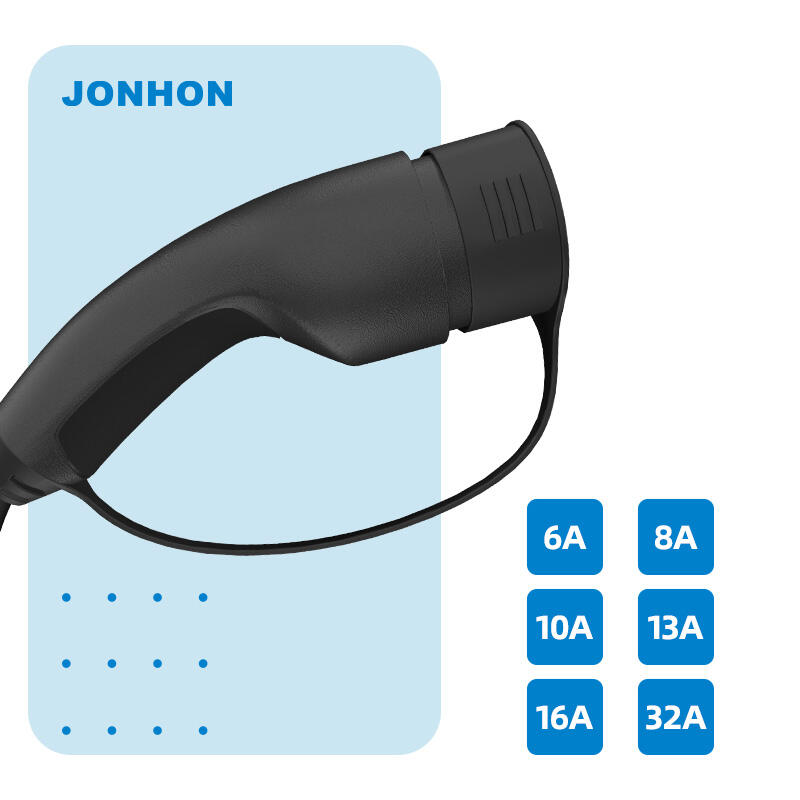
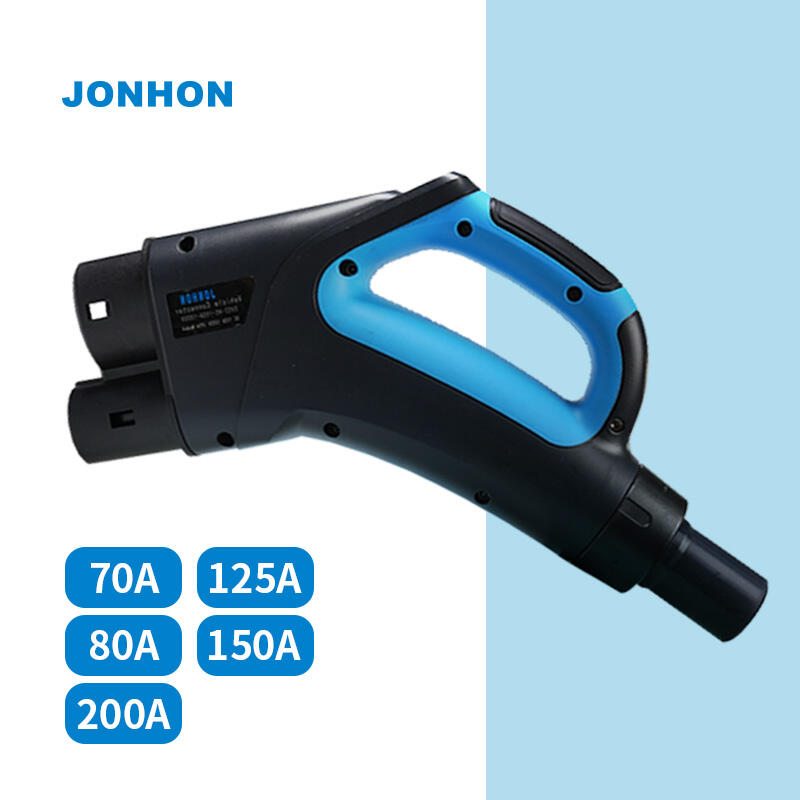

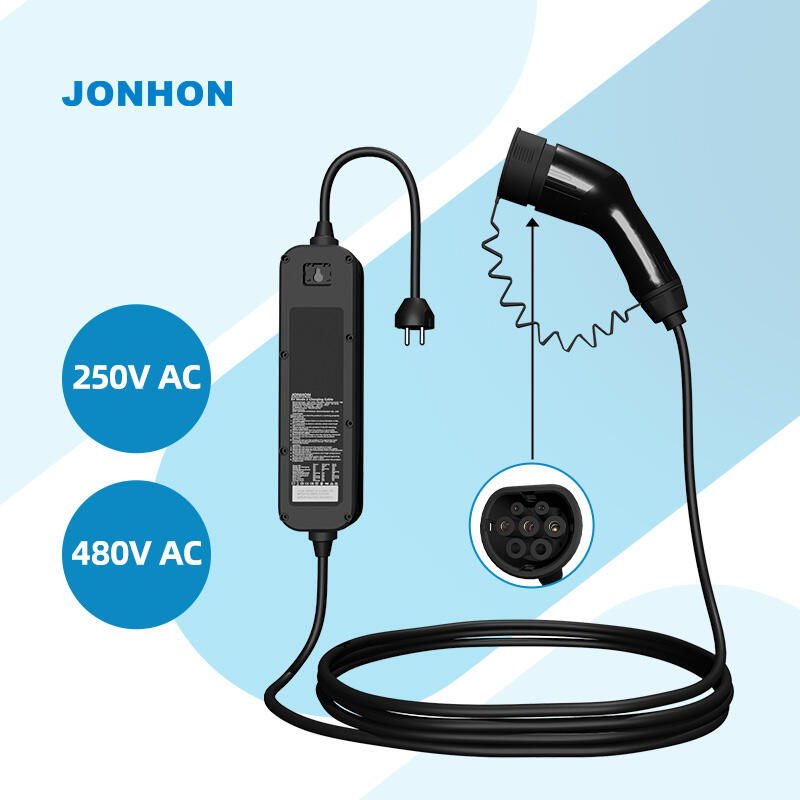
Understanding the types of public ev chargers is essential for both EV drivers and industry stakeholders, as it dictates charging speed, compatibility, and the overall user experience when away from home. Public EV chargers are broadly categorized by the type of current they deliver and their power output, which directly translates to how quickly a vehicle can charge. The first main type is Alternating Current (AC) Level 2 charging. These are the most common public chargers, found in locations where vehicles are parked for longer periods, such as shopping malls, workplaces, parking garages, and municipal lots. They operate on a 208-240V AC supply (in North America) or 230-400V three-phase AC (in Europe) and typically deliver power from 3 kW to 19 kW. A Level 2 charger can add 10 to 60 miles of range per hour, making it ideal for a few hours of charging while shopping or working. The connector for AC Level 2 charging is typically the SAE J1772 (Type 1) in North America and Japan, or the IEC Type 2 (Mennekes) in Europe and many other regions. The second main type is Direct Current (DC) Fast Charging (DCFC), also known as Level 3 charging. These are high-power stations strategically located along highways and major travel corridors to enable long-distance travel. They convert AC power from the grid to DC within the station and deliver it directly to the vehicle's battery, bypassing the onboard charger. DC fast chargers range in power from 25 kW to 350 kW or more, capable of adding 100 to 200 miles of range in 15-30 minutes. The connectors for DC fast charging are more varied. The Combined Charging System (CCS) is the dominant standard globally, with CCS1 in North America and CCS2 in Europe. CHAdeMO is another DC standard, primarily used by some Japanese automakers. In China, the GB/T standard defines its own DC connector. The reliability and performance of all these public charger types depend on the quality of their internal components, particularly the high-voltage connectors and cables. JONHON OPTRONIC TECHNOLOGY CO., LTD. provides the robust interconnect solutions that ensure these chargers operate safely and reliably for years. For more information on our components for public charging infrastructure, please contact us.