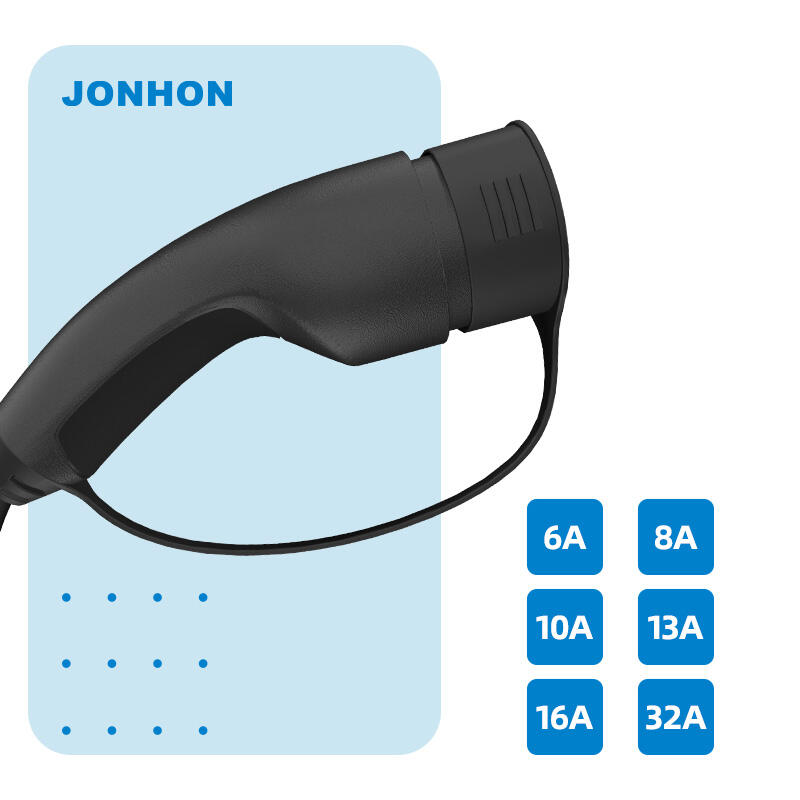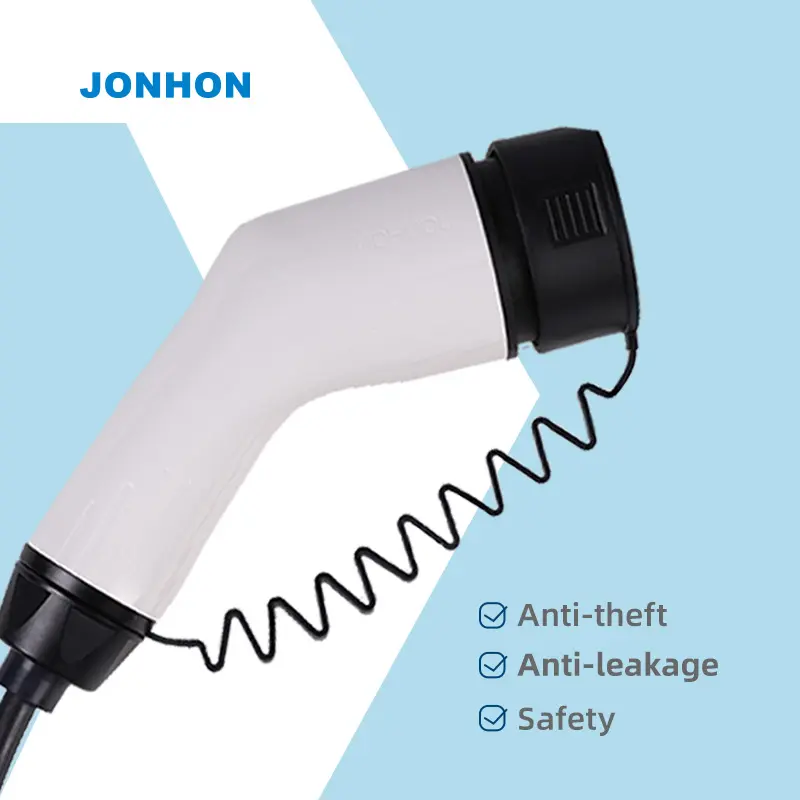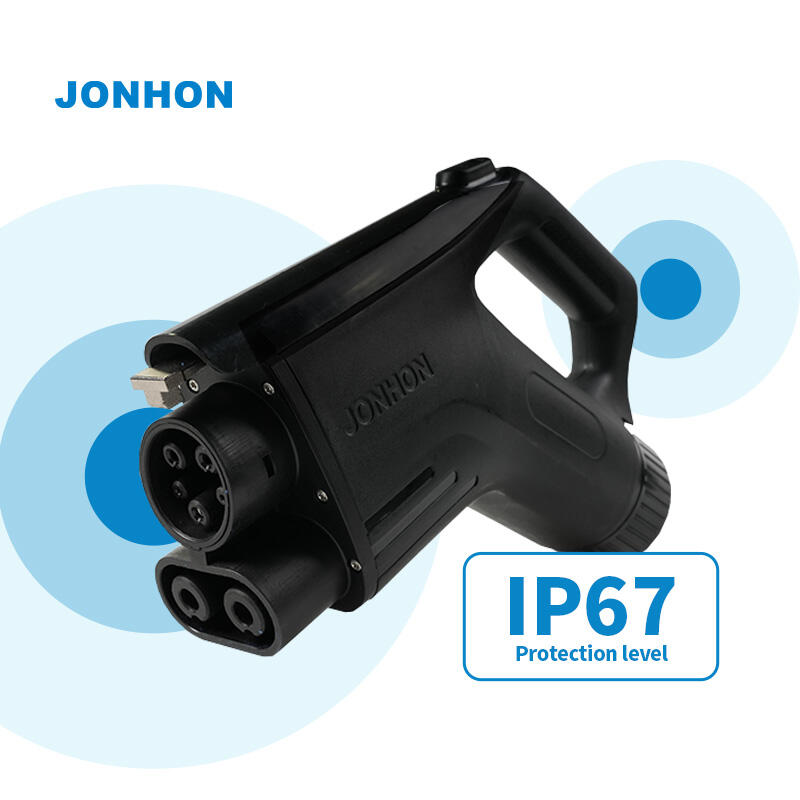
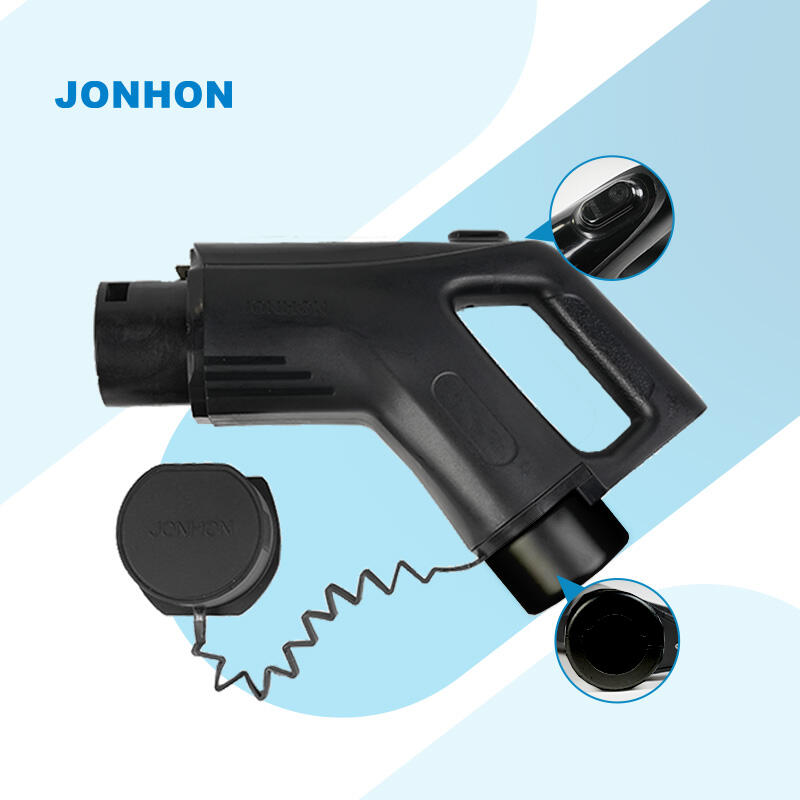
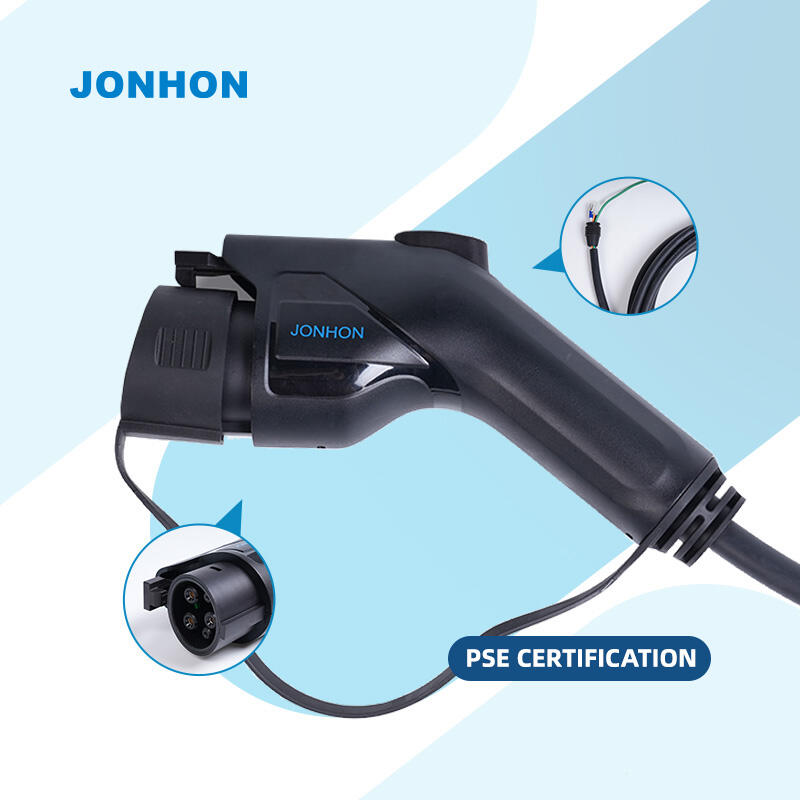
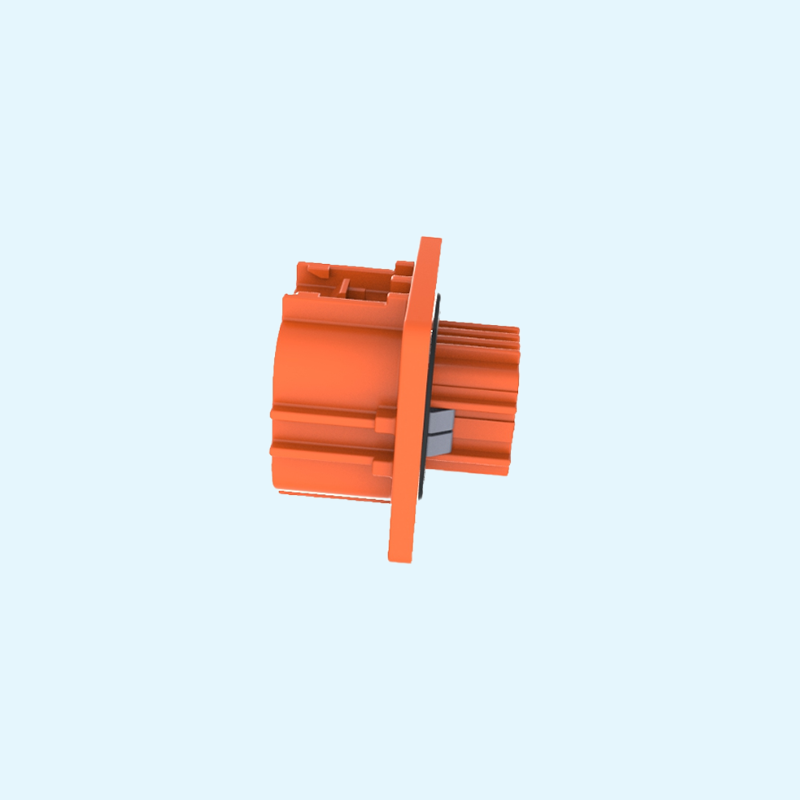
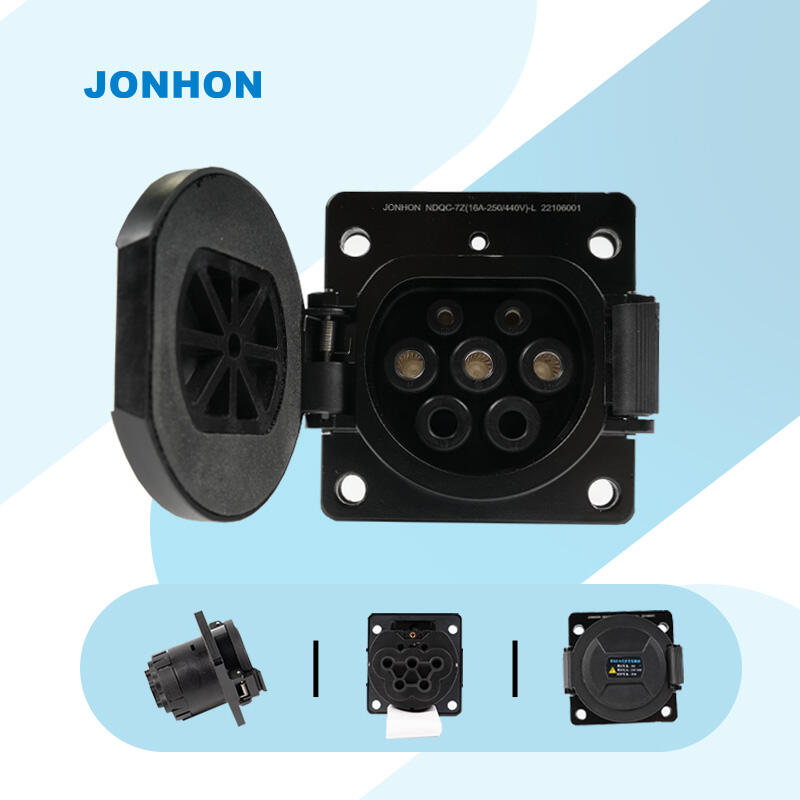
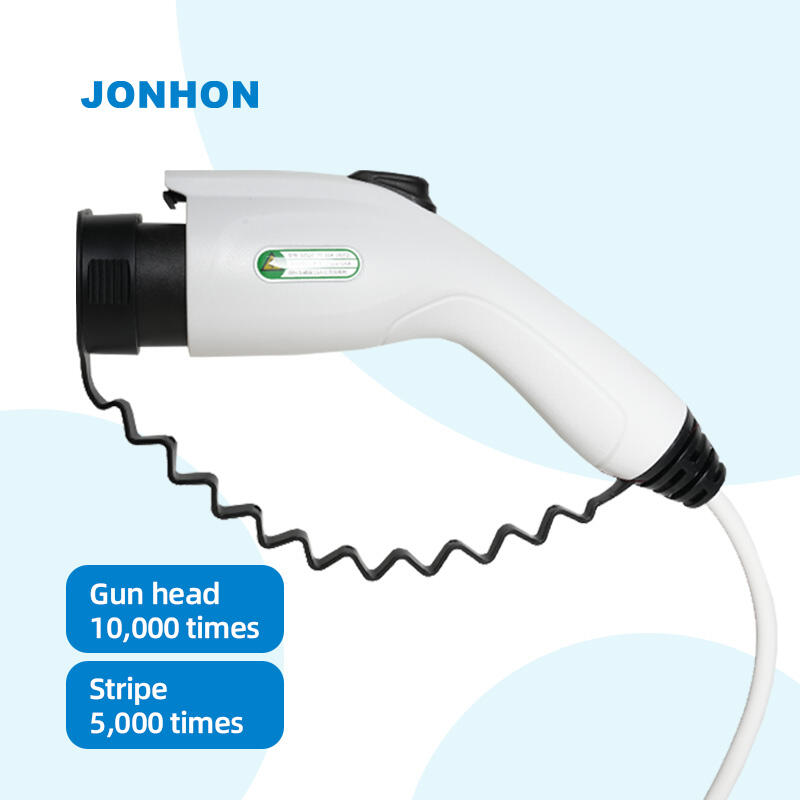
A charger inlet, also known as a vehicle charging inlet or vehicle connector inlet, is the component mounted on an electric vehicle that serves as the receiving port for the charging gun from an external charging station. It is the vehicle-side counterpart to the charging station's connector and is the primary interface for transferring electrical energy from the grid to the vehicle's high-voltage battery. The charger inlet is a sophisticated electromechanical device designed to accommodate specific connector standards, such as Type 1, Type 2, CCS Combo 1, CCS Combo 2, or GB/T, depending on the vehicle's target market and charging capabilities. It houses the power pins for AC and/or DC charging, along with pins for control pilot, proximity pilot, and critical safety circuits like the high voltage interlock (HVIL). JONHON is a world-leading manufacturer of high-performance charger inlets, engineered to meet the rigorous demands of the automotive environment. Our charger inlets are designed for exceptional durability, withstanding years of exposure to weather, vibration, temperature extremes, and thousands of mating cycles. With a dedicated team of over 400 engineers in our electric vehicle business unit and a robust portfolio of over 300 EV-related patents, JONHON's inlets feature precision contact systems for efficient and reliable power transfer, robust sealing for ingress protection (IP6K9K and IPX9K ratings), and integrated HVIL circuits for absolute safety. Our inlets are designed for ease of assembly by vehicle manufacturers, with options for cable or busbar connections. JONHON's active participation in formulating 7 IEC standards ensures our charger inlets are designed for full interoperability with charging stations worldwide and meet the most stringent automotive and safety standards. For automotive OEMs developing next-generation electric vehicles, partnering with JONHON for high-quality, reliable charger inlets is essential for ensuring a safe, user-friendly, and globally compatible charging experience. Please contact our engineering team to discuss your specific charger inlet requirements.